
Slow Food & Agriculture · Food & Farming · Slow Life
How Small Food Brands Can Tell an Honest Origin Story
Published 24 February 2026 · By Jen Marsden
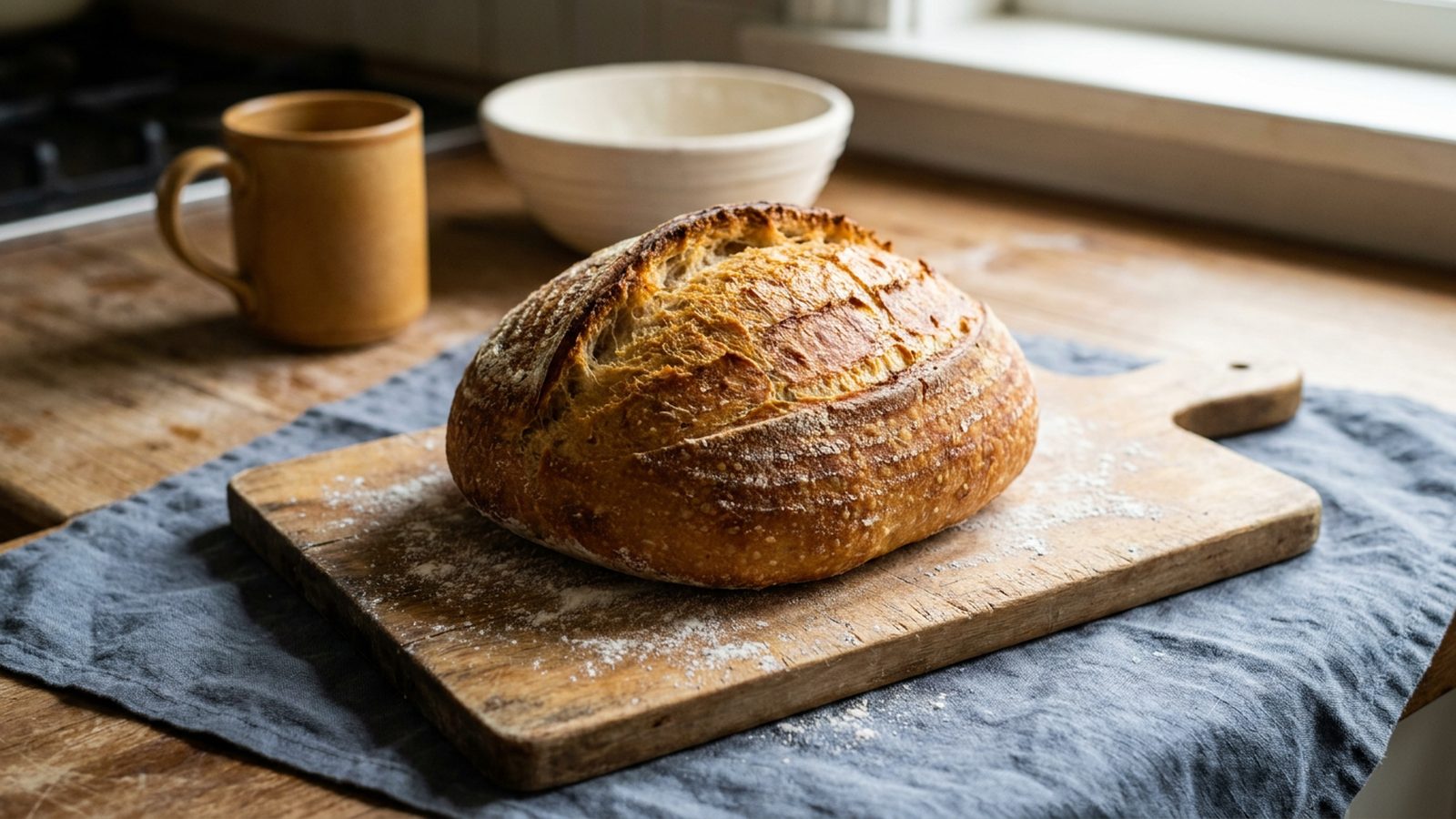
Where does your food come from? It is the question every small food brand wants to answer, and the one so many manage to fumble. In the rush to prove their credentials, brands pile claim upon claim until the label reads like a legal document. Artisan, natural, sustainable, ethical, small-batch, hand-crafted, farm-fresh. By the time a shopper has waded through all of it, they believe none of it. Here is a gentler truth we have learned over the years. One true origin line beats a page of claims every time.
Small food brands have a genuine advantage over the big players, and it is not their marketing budget, because they do not have one. It is authenticity. A small brand can actually know its growers, walk its fields, and tell you exactly where a thing came from. That is gold, and it is precisely the thing that gets buried under a heap of buzzwords. So let us talk about how to dig it back out and tell an origin story people will believe.
Finding your unique story
First, find the one true thing. Every good food brand has a real story at its heart, a specific, concrete detail that is unmistakably yours. The particular valley your honey comes from. The name of the family who has grown your apples for three generations. The fact that your bread is made with a starter someone kept alive for twenty years. Find that one thing, the detail that only you can honestly claim, and build everything around it. Specificity is the enemy of blandness and the friend of trust.
Second, swap adjectives for facts. “Sustainably sourced” is an adjective doing a lot of heavy lifting and proving nothing. “Grown by the Owens family on twelve acres in the Wye Valley, no synthetic sprays, ever” is a fact, and facts are believable in a way adjectives never are. Wherever you have written a vague claim, ask whether you can replace it with something concrete and checkable. If you cannot, that is a sign the claim may not deserve to be there at all.
Be transparent about your process
Third, show your working. Honesty includes the imperfect bits, and paradoxically that is what makes people trust the good bits. If your packaging is not yet fully recyclable but you are working on it, say so. If you can only source one ingredient locally and the rest comes from further afield, be upfront about why. Shoppers have grown wise to brands that present themselves as flawless, and a bit of candour reads as confidence. Nobody believes perfection. Everybody believes honesty about the work in progress.
Fourth, let real people speak. The most convincing origin stories are told in someone’s actual voice, not in polished marketing prose. Quote your grower. Film thirty seconds of your maker explaining why they do it their way. Use the odd phrase that only a real person would say. It does not need to be slick. In fact, a little roughness around the edges is often more persuasive than a glossy campaign, because it feels like the truth rather than an advert.
Focus on clarity, not quantity
Fifth, resist the urge to say everything. This is the hardest one for small brands, because when you care deeply about what you do, you want to tell people all of it at once. But an origin story overloaded with information becomes noise. Pick the one or two things that matter most and let them breathe. A shopper standing in front of your product for four seconds needs a single clear idea to hold onto, not a comprehensive dossier. Leave them curious rather than exhausted.
How trust is genuinely built
The reason all of this works comes down to how trust actually forms. Trust is not built by making more claims. It is built by making claims that turn out to be true, specific, and human. One honest origin line, clearly told and genuinely meant, does more for a small food brand than any amount of vague virtue. It gives people something real to believe in, and something real to repeat to their friends, which is how small brands grow.
So before you add another adjective to your packaging, try taking a few away. Find the one true thing about where your food comes from, tell it plainly, and let it stand. That is the story worth telling, and if you would like a hand finding yours, it is exactly the kind of work we love.
Need words like these?
Let us write for you
Blogs, newsletters, brand copy and more, from a Highland collective that keeps it human.