
Slow Food & Agriculture · Food & Farming · Slow Life
How to Market Alternative Protein: Beyond the Burger
Published 27 February 2026 · By Jen Marsden
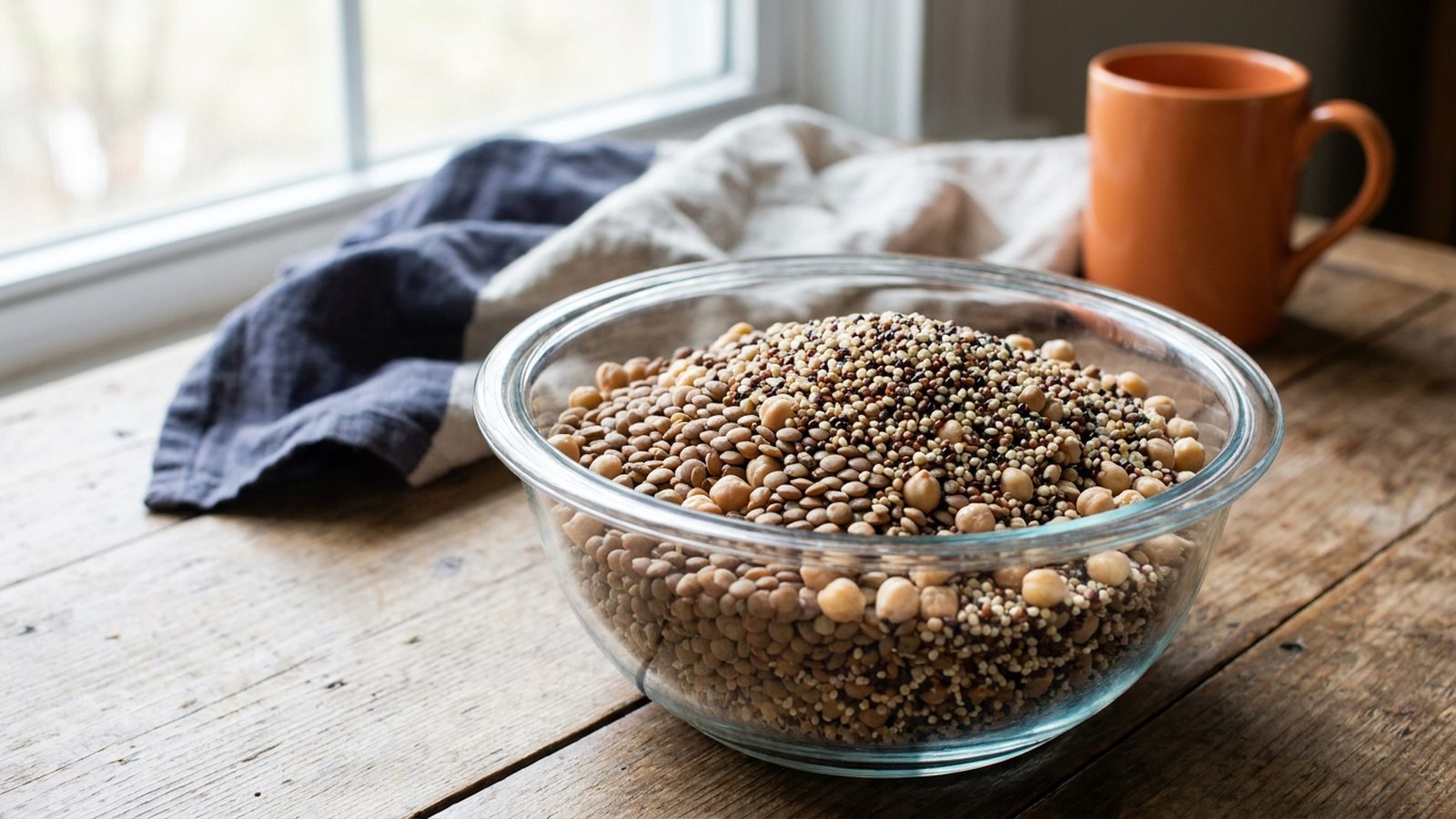
Say the words “alternative protein” at a dinner table and watch what happens. Someone lights up, someone rolls their eyes, and someone quietly changes the subject. Few food topics are as loaded, as misunderstood, or as prone to heated opinions. Which is a shame, because the actual subject is genuinely fascinating, and the people making decisions about it deserve a clear, calm, evenhanded tour rather than a lecture from either side. So let us take one.
First, what are we even talking about? “Alternative protein” is an umbrella term for foods that provide protein without relying on conventional animal farming, and it is broader than most people assume. It covers plant-based products, the burgers and sausages and milks made from soy, pea, oats, and the like. It covers fermentation, where microorganisms are used to grow protein, an ancient technique behind everything from tempeh to some of the newer mycoprotein products. And it covers cultivated meat, grown from animal cells without raising and slaughtering an animal, which is the newest and most talked-about corner of the field. These are very different technologies with very different pros and cons, and lumping them together is where a lot of the confusion starts.
Why alternative protein matters
Why does any of it matter? Conventional animal agriculture is a significant source of greenhouse gas emissions, and it uses a great deal of land and water. As the global population grows and appetite for protein rises, a lot of people, including plenty of scientists and investors, are asking whether there are ways to make protein with a lighter footprint. Alternative proteins are one proposed answer. They are not the only answer, and they are not a magic wand, but they are a serious part of the conversation about feeding people without wrecking the planet.
Now for the honest bit, because an evenhanded tour has to include the caveats. Alternative proteins are not automatically virtuous. Some plant-based products are heavily processed, and no one should pretend a highly engineered burger is health food simply because it is meat-free. The environmental benefits vary enormously depending on the product and how it is made. Cultivated meat is still expensive and largely not yet on shelves at scale. And taste, texture, and price remain the deciding factors for most shoppers, as they always have been. Anyone communicating in this space who glosses over these points loses credibility fast.
Equally, the criticisms are sometimes overstated. “It’s processed” is not, on its own, a knockout argument, given how much of the conventional food supply is also processed. The land and emissions comparisons, even accounting for uncertainty, tend to favour many alternatives over conventional meat. And the “unnatural” objection tends to melt away when you remember that cheese, bread, and beer are all products of fermentation that humans have happily eaten for millennia. A fair tour holds both the hype and the scepticism at arm’s length and looks at the evidence.
How to talk about it
So how should a brand or organisation communicate about this without falling into either the evangelist or the dismissive camp? A few principles we would offer. Lead with taste and everyday appeal rather than ideology, because that is what actually gets people to try something. Be specific and honest about what your product is and is not, and never imply benefits you cannot back up. Respect your audience’s intelligence and their right to make up their own mind. And avoid the tribal language that has made this whole area so unnecessarily combative. Nobody was ever argued into a new way of eating. They were tempted into it.
The most useful stance, whether you are a brand, a journalist, or just someone trying to make sense of it all, is curiosity without dogma. Alternative proteins are neither the salvation of the planet nor an assault on the natural order. They are a genuinely interesting set of foods and technologies, at different stages of maturity, with real potential and real limitations. Treating them that way, plainly and fairly, is far more persuasive than any amount of cheerleading or scorn.
Be curious not dogmatic
So the next time the subject comes up at that dinner table, you might resist the eye-roll and the sermon alike. Ask a question instead. The honest, curious conversation is the one worth having, and it is the one that actually moves people forward.
Need words like these?
Let us write for you
Blogs, newsletters, brand copy and more, from a Highland collective that keeps it human.