
Slow Food & Agriculture · Food & Farming · Slow Life
Soil Health Is a Marketing Story Waiting to Be Told
Published 20 February 2026 · By Jen Marsden
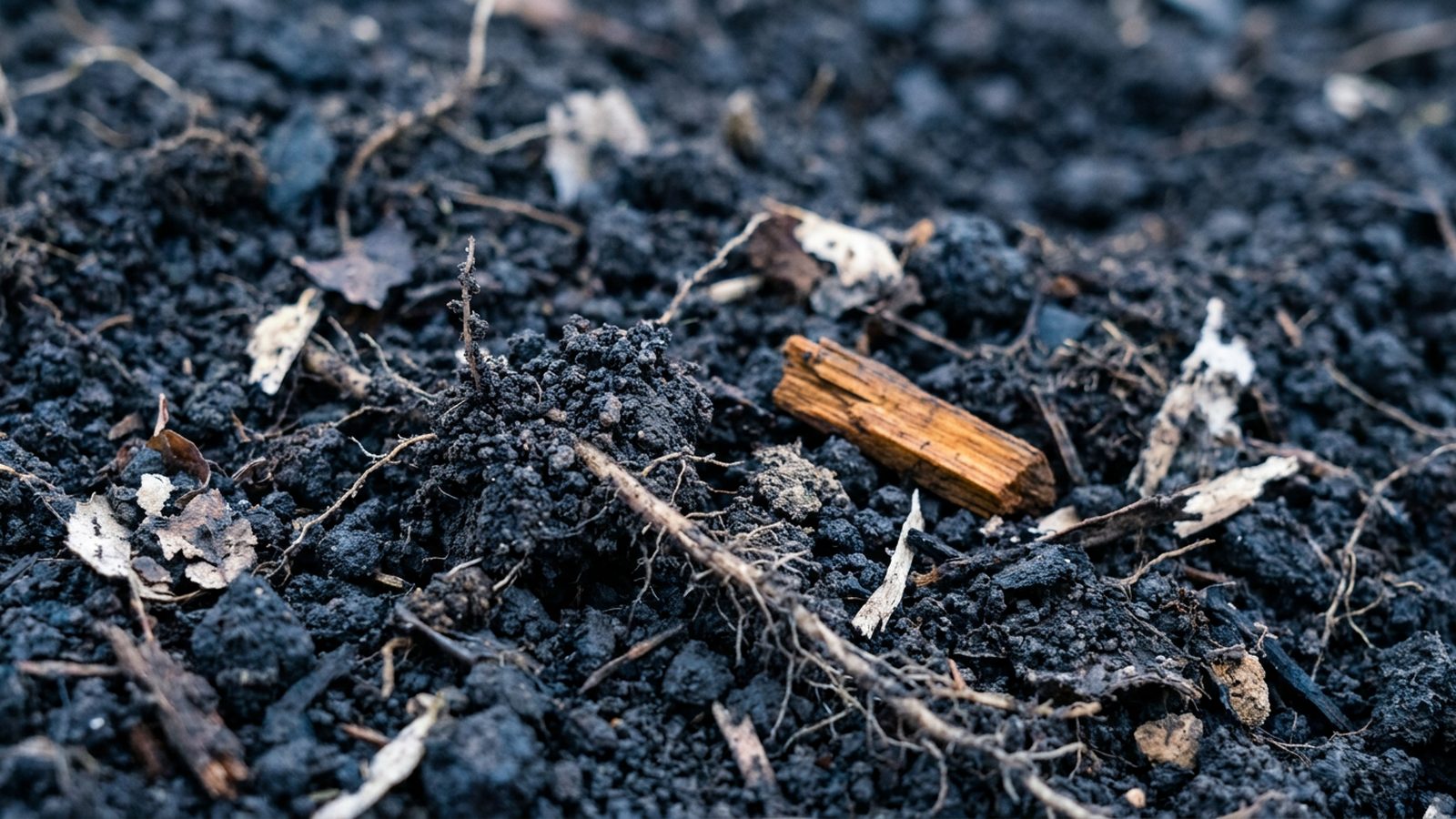
Quick question. When was the last time a brand made you feel something about dirt? Probably never, and that is a genuine missed opportunity, because beneath every field of food lies one of the most extraordinary and overlooked stories in the whole sustainability picture. Soil is not a passive brown backdrop. It is a living, breathing system teeming with life, and it might just be the most compelling story your food brand is not yet telling.
Here is the thing about soil. It is invisible, and invisibility is a marketing problem. People can picture a plastic bottle in the ocean or a smoking chimney. They cannot picture the slow, silent degradation of the ground beneath a field, even though it is arguably a bigger deal for the future of food than almost anything else. Healthy soil stores carbon, holds water, resists flooding and drought, and grows food that is more nutritious and better tasting. Degraded soil does none of that, and we are losing it at an alarming rate. The challenge, and the opportunity, is that almost nobody is talking about it in a way that lands.
That is exactly where good communication comes in. Let us walk through how we would approach turning something invisible into something people actually care about.
How to tell the story
Start by making it tangible. Nobody falls in love with the phrase “soil organic matter”. But tell them that a single teaspoon of healthy soil contains more living organisms than there are people on Earth, and suddenly they are paying attention. Give people a fact they cannot help repeating at dinner. The living, crowded, almost secret world under our feet is genuinely astonishing, and astonishment is a wonderful place to start a story.
Next, make it visual. Soil is hard to photograph well, but the effects of soil health are not. Show two handfuls of earth side by side, one crumbling and dark and full of life, the other pale and cracked and dead. Show the roots of a plant grown in each. Show the worms, the mycelium, the sheer texture of it. People believe what they can see, and the contrast between living and dying soil is dramatic once you frame it properly.
Connect to existing interests
Then connect it to something people already care about. Most shoppers do not lie awake worrying about soil structure, but they do care about flavour, nutrition, and a liveable climate. Soil is quietly the root of all three, so make that link explicit. The reason your tomatoes taste of something, the reason your farm can weather a dry summer, the reason your food is part of the climate solution rather than the problem, all of it traces back to the ground. Soil is not the boring bit. It is the origin of everything good on the plate.
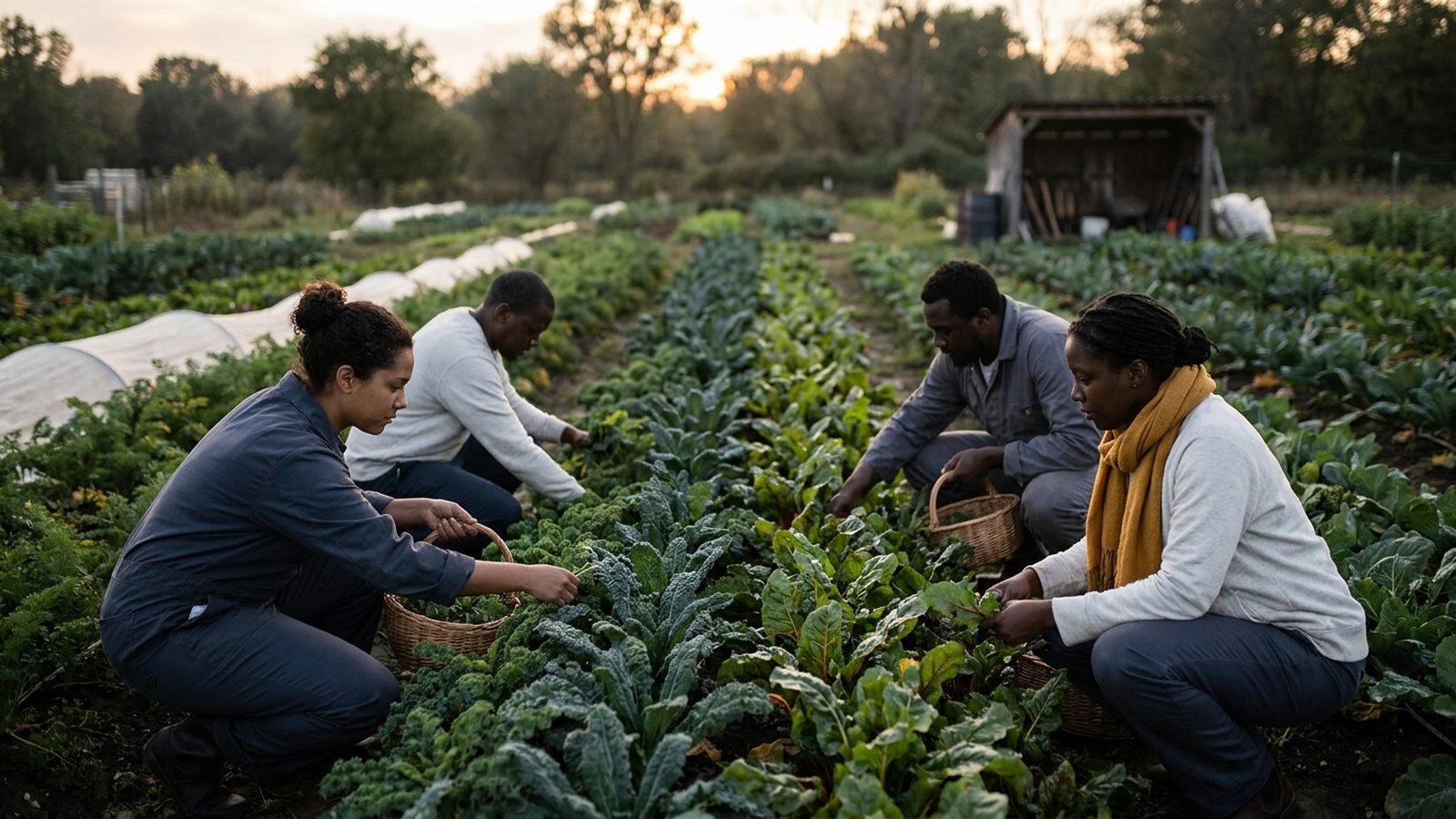
Give it a hero, ideally a human one. Abstract systems are hard to love, but people are not. Put the farmer in the frame, the one who has spent years rebuilding their soil, who can dig a spade in and show you the difference, who talks about their fields the way other people talk about their children. Let them tell the story. A grower kneeling in a field, crumbling living earth between their fingers, is worth a thousand infographics.
Be honest about soil efforts
And keep it honest. Soil health has become a fashionable phrase, which means it is also becoming a greenwashing risk. If you are going to tell a soil story, it has to be true and specific. Talk about actual practices, cover cropping, reduced tillage, keeping living roots in the ground, rotating what you grow. Vague claims about “regenerative” anything will rightly draw scepticism. Specifics build trust.
The reward for getting this right is considerable. Soil is a story with everything a marketer could want. It is surprising, it is beautiful once you look closely, it connects flavour to the future, and almost nobody in your category is telling it well. That is open ground, if you will forgive the pun.
So if you make food and you have not yet thought about the ground it grows in as part of your story, it may be time to look down. The most interesting thing about your brand could be right there beneath your feet, waiting for someone to notice it. We would love to help you dig it up.

Need words like these?
Let us write for you
Blogs, newsletters, brand copy and more, from a Highland collective that keeps it human.