
Travel & Place · Slow Life · Nature & Wildlife
What Long Walks in the Highlands Taught Me About Creativity
Published 11 January 2026 · By Jen Marsden
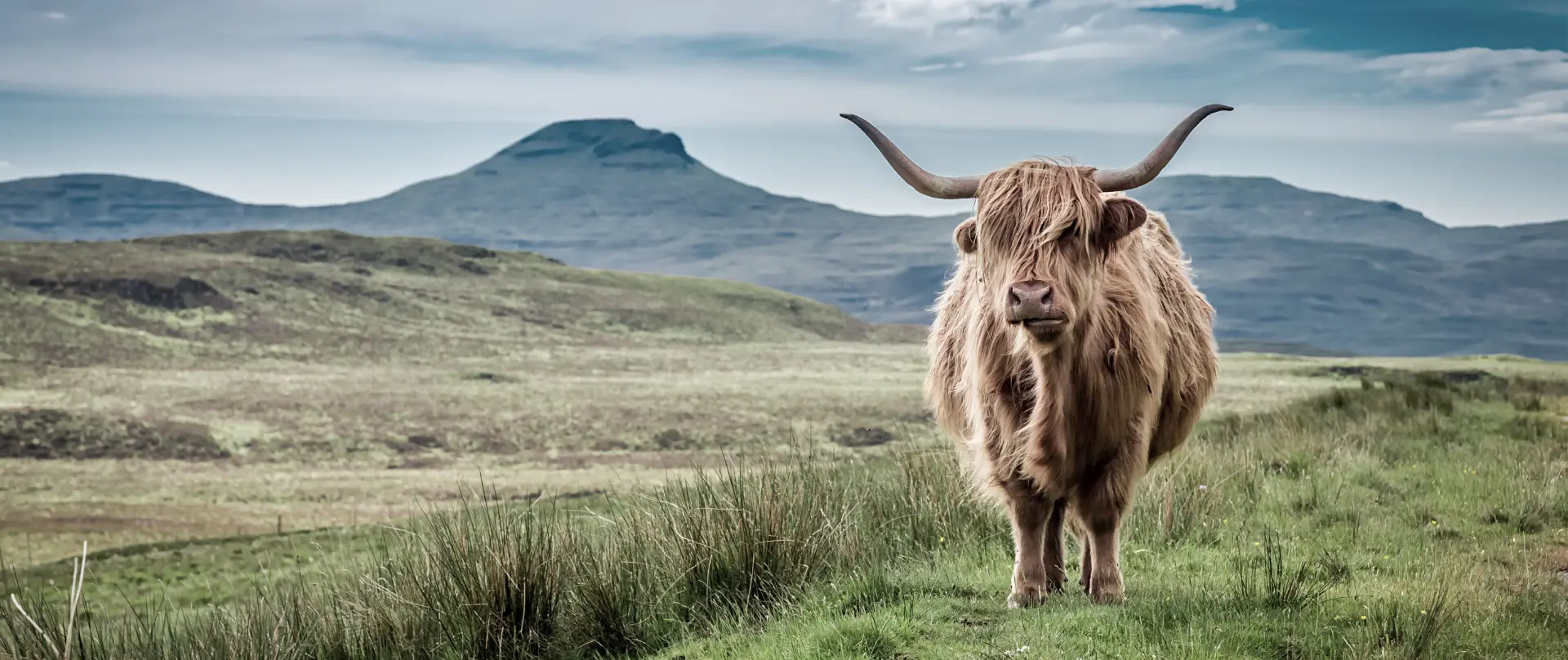
I do some of my clearest thinking halfway up a hill, with no phone signal and nowhere in particular to be. For years I did not trust that. It felt like slacking, like time I should have been at my desk being useful. Now I think those walks are the most productive thing I do all week.
There is a particular kind of Highland walk where nothing much happens. You set off, you find a rhythm, and the landscape changes slowly around you. There is no destination worth rushing to and no signal to check. For someone whose working life had trained her to fill every gap with input, a podcast here, a scroll there, a quick glance at the phone whenever a thought threatened to form, this was quietly disorienting at first. There was nothing to reach for. There was only the next stretch of path.
At first the emptiness felt like a problem to solve. My mind cast about for stimulation, drafted emails it could not send, worried at small things. But once my legs had settled into the walking and my head had run out of things to fret over, something shifted. The boredom stopped feeling empty and started feeling spacious. Ideas began arriving, unbidden and fully formed, the kind that had flatly refused to come when I sat at my desk demanding them.
Creativity isn’t forced
This is the thing about creativity that our always-on culture keeps getting wrong. We treat ideas as an output we can force through effort and hours, when in truth they tend to surface only when the mind is left alone long enough to wander. Boredom is not the enemy of good thinking. It is often the condition for it. A long walk simply removes the escape routes and lets you discover what you may have suspected but never quite trusted, which is that an unstimulated mind is a working mind.
I now think of it as deliberate boredom, and I have tried to build it into ordinary life. Not just the walking, though I would recommend that too, but the underlying practice of leaving gaps on purpose. Time with no podcast, no phone, no input at all. My allotment does the same job, if I am honest. You cannot hurry a seed, and there is nothing to do on a wet afternoon but potter and let your thoughts settle. The point is not to relax, exactly. It is to be bored on purpose, and to trust that the boredom is doing something even when it feels like nothing.
The difficulty of deliberate boredom
What surprised me most was how hard this is. We have trained ourselves, thoroughly and expensively, to flee the smallest moment of understimulation. The queue, the wait, the lull between tasks all get filled instantly, and we tell ourselves we are being productive. But those small gaps were where our thinking used to happen, quietly, in the background, and we have paved over almost all of them.
The work I do is creative work, the shaping of words and stories for brands who want to say something true. That work does not respond well to grinding. You cannot muscle a good sentence into existence, and the harder you push at a blank page the more stubbornly it stays blank. What actually helps is the opposite of pushing. It is loosening, wandering, letting the mind off its lead and seeing where it goes.
I am not romanticising it. There are walks that are just walks, cold and wet and unproductive, where nothing profound arrives at all. But the pattern holds often enough to convince me. The best ideas come in the emptiest hours, when I have stopped waiting for them. That is not a coincidence I intend to forget.
Embrace the quiet moments
So here is the gentle nudge, as much to myself as to anyone reading. Guard your gaps. Resist the reflex to fill every quiet moment with something. Let yourself be bored, deliberately and without apology, and trust that your mind is using the space even when you cannot feel it working. You do not need a mountain to do this. You only need to put the phone down and let the next quiet hour come.

Need words like these?
Let us write for you
Blogs, newsletters, brand copy and more, from a Highland collective that keeps it human.