
Travel & Place · Slow Life · Nature & Wildlife
Overtourism: The Answer Is Better Storytelling About More Places
Published 6 December 2025 · By Jen Marsden
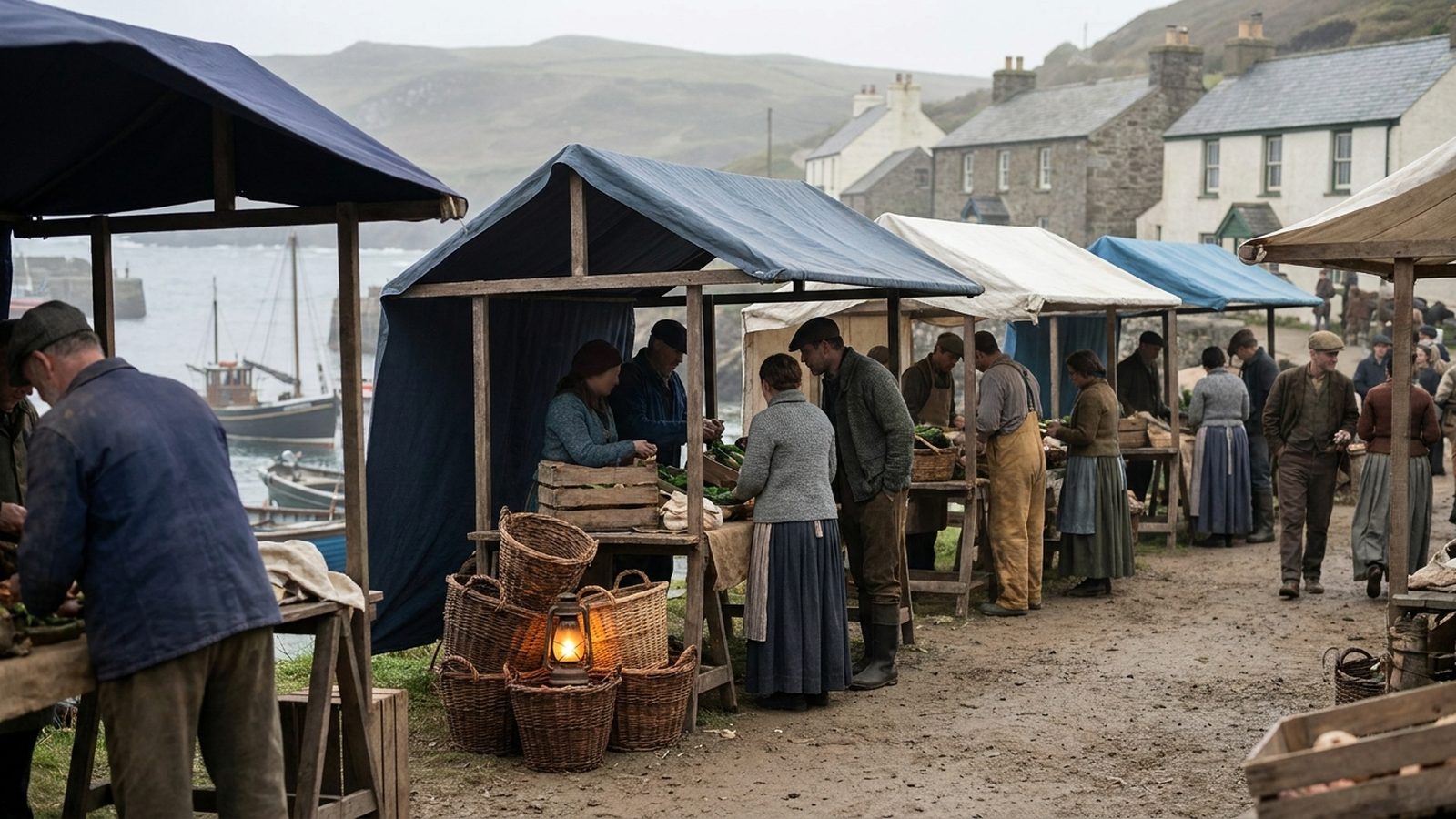
Picture the same photograph, taken ten thousand times a day. The same bridge, the same viewpoint, the same slice of coastline, framed almost identically by people who all read the same article and saw the same post. Meanwhile, a few valleys over, a town that would happily welcome those visitors sits quiet, its cafés half empty, its guides underbooked, wondering why nobody comes. That, in a single image, is overtourism. It is not too many travellers. It is too many travellers in too few places.
We talk about overtourism as though the problem is sheer numbers, and the usual cures follow that logic. Cap the visitors. Charge them more. Ration the tickets. All of that has a place, and some of it is genuinely necessary in the worst-hit spots. But treating overtourism purely as a numbers problem misses what is going on underneath, which is a storytelling problem.
Why tourists flock to few places
Here is the thing. People do not go to the same handful of places because those are the only places worth going. They go because those are the only places they have been told a story about. The famous destinations have decades of writing, film, and imagery behind them. They are dense with narrative. You feel you know them before you arrive. The overlooked places have none of that, not because they lack beauty or interest, but because nobody has bothered to tell their story well.
So the crowds concentrate where the stories concentrate. Change the distribution of stories and you begin to change the distribution of people.
Shifting the storytelling conversation
This is where we think the conversation needs to shift. The answer to overtourism is not only to restrict access to the crowded places. It is to spread the storytelling to more places, so the pressure has somewhere else to go. You cannot ask people to visit somewhere they have never heard of. But give them a vivid, genuine account of a lesser-known town and suddenly there is somewhere else to want to be.
We want to be careful here, because there is a lazy version of this idea that does real harm. The lazy version says: find the untouched hidden gem and send everyone there, which simply exports the problem and ruins the next place in line. Spreading the story is not about anointing a new victim for the same crush.
Done properly, it means something more thoughtful.
How to tell better travel stories
It means deeper stories, not just newer ones. Not “here is the next big thing, go before everyone else does,” which is the old machine with a fresh target, but rich, honest writing that helps people understand a place well enough to visit with care rather than treat it as a trophy.
It means telling stories about many places rather than piling ever more onto a few. The healthiest travel media would look less like a leaderboard and more like a wide, varied map, attention shared across hundreds of worthy destinations instead of hoarded by a dozen.
It means involving the places themselves. The best story about a town is often the one its own people want told, on their own terms, at a pace they can handle. Storytelling that spreads tourism responsibly works with local communities, not over their heads.
And it means being honest about capacity. Part of good storytelling is knowing when to say: this place is at its limit, go elsewhere this year. Sometimes the most responsible thing a storyteller can do is point away from the obvious.
Two versions of the travel industry
There is a version of the travel industry that keeps polishing the same dozen destinations, wringing more visitors out of places that are already straining, then acting surprised when they break. And there is another version that uses its storytelling power to open up the map, to make more places visible, valued, and visited at a scale they can bear.
We would rather build the second one. If you make or share travel content, you have more influence over this than you might think. The next time you reach for the obvious destination, tell the story of somewhere that has been waiting for its turn. Spread the story, and the crowds have somewhere kinder to follow.


Need words like these?
Let us write for you
Blogs, newsletters, brand copy and more, from a Highland collective that keeps it human.