
Slow Food & Agriculture · Food & Farming · Slow Life
Regenerative Agriculture for Curious Shoppers
Published 26 January 2026 · By Jen Marsden
You have seen the words on a label, probably more than once. Regenerative agriculture, printed neatly beside the price, promising something good without quite explaining what. Is it just the latest bit of green marketing, another word to make us feel better about the shop? Or is there something real underneath it? The honest answer is that it is genuinely meaningful, and it is worth understanding, precisely because it is at risk of being watered down into a buzzword.
Let us start with the plain idea. Most farming, even much of the responsible kind, aims at best to do no harm, to sustain the land in roughly the state it was found. Regenerative agriculture sets the bar higher. It aims to leave the land better than before, to actively rebuild what conventional methods have worn down. The clue is right there in the name. Not sustaining, but regenerating. Restoring soil, wildlife, and the health of the whole system rather than merely holding the line.
What is healthy soil?
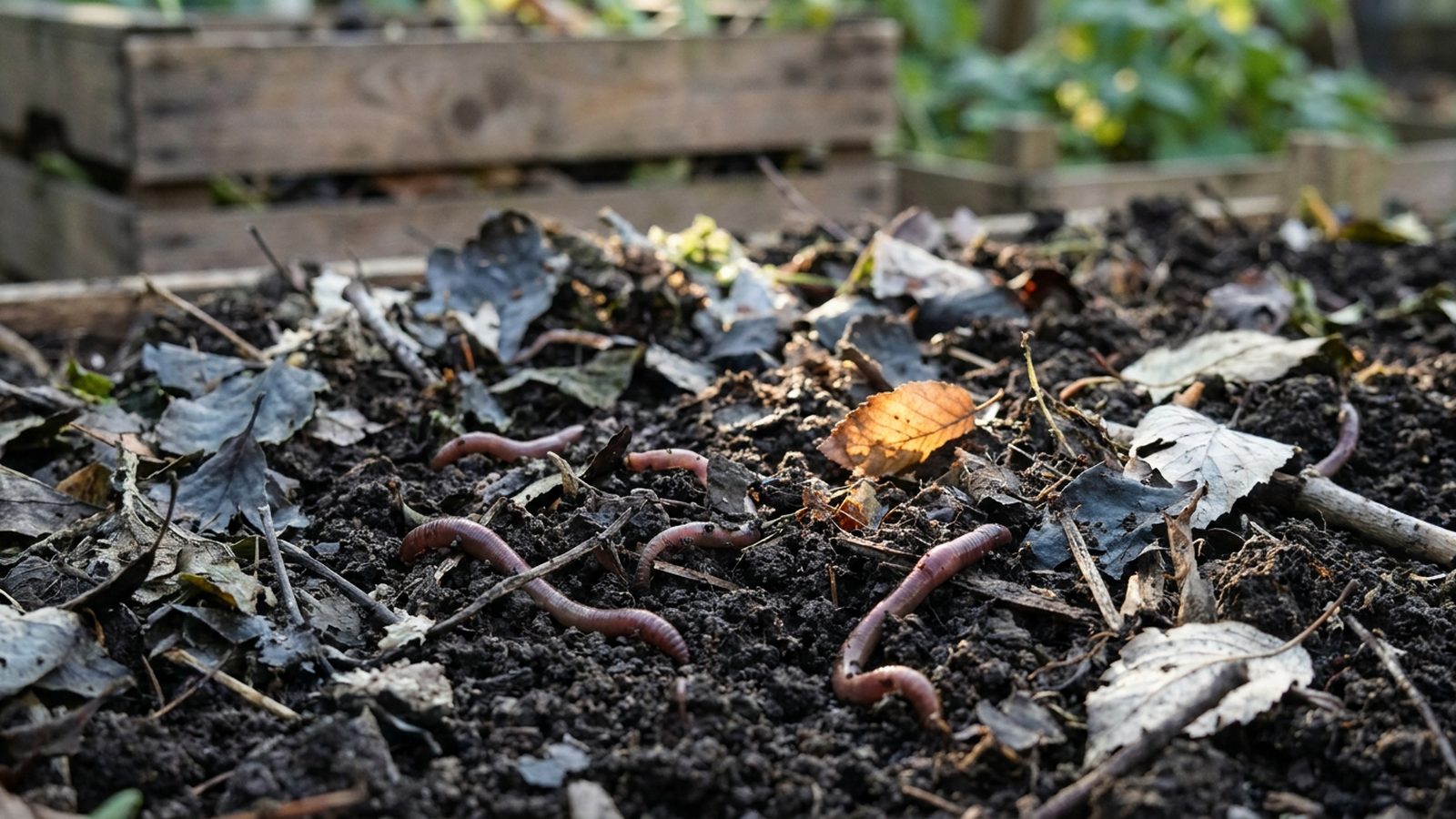
The heart of it is soil, which sounds unglamorous until you understand what healthy soil actually is. Far from being dead dirt, good soil is teeming with life, a dense web of microbes, fungi, insects, and roots all working together. Decades of intensive farming, with heavy ploughing and chemical inputs, have degraded this living system across huge areas, leaving soil thinner, poorer, and less able to hold water or carbon. Regenerative methods set out to bring it back to life, and the techniques are refreshingly practical.
Cover crops, for instance, keep living roots in the ground between main harvests, feeding the soil and protecting it from erosion rather than leaving fields bare. Reduced tillage means disturbing the soil as little as possible, so its structure and its inhabitants stay intact. Grazing animals are moved thoughtfully across pasture, mimicking the way wild herds once fertilised grasslands as they roamed. Diverse plantings replace endless single crops, because variety above ground supports variety below it. None of this is mysterious. It is careful, patient work with nature rather than against it.
Benefits of regenerative farming
The benefits, when it is done well, are real and stack up nicely. Healthier soil holds more water, which means more resilience in both drought and flood. It supports more wildlife, from earthworms to birds. And it can draw carbon down from the atmosphere and store it in the ground, which is why regenerative farming keeps coming up in conversations about climate. Better food, healthier land, and a small but genuine hand in tackling a very large problem, all from paying closer attention to the dirt beneath our feet.
Now for the honest caveat, because you deserve it. Regenerative is not yet a tightly regulated term in the way that organic is in many places. That means some producers use it carefully and truthfully, while others reach for it because it sounds good and sells well. This is the buzzword risk, and pretending it does not exist would be doing you a disservice. The concept is sound. Its use on labels is not always. Both things are true at once.
How to shop regeneratively
So how does a curious shopper tell the difference without a degree in soil science? Look for specifics rather than slogans. A producer genuinely committed to regenerative practice will usually be happy to tell you what they actually do, whether that is cover cropping, rotational grazing, or cutting out synthetic inputs. Vague promises with no detail behind them deserve a raised eyebrow. Certifications are beginning to appear and can help, though they are still catching up with the practice. Buying closer to home, where you can ask a real question of a real grower, remains one of the best tests of all.
You do not need to become an expert or overhaul your whole trolley overnight. Curiosity is enough to start. Ask a question at the farmers’ market. Read past the front of the label. Notice which producers can explain themselves and which merely gesture. Every time you do, you nudge the market gently towards the real thing and away from the empty version.
Regenerative agriculture is not a buzzword, though it is in some danger of being treated like one. It is a genuine, hopeful shift in how we might grow food. Understanding it, even a little, helps keep the word honest. Next shop, pick one label and ask what is really behind it.

Need words like these?
Let us write for you
Blogs, newsletters, brand copy and more, from a Highland collective that keeps it human.