
Ethical Fashion & Beauty · A Better World · Pioneers
How to Write Product Copy for Ethical Luxury
Published 21 March 2026 · By Jen Marsden
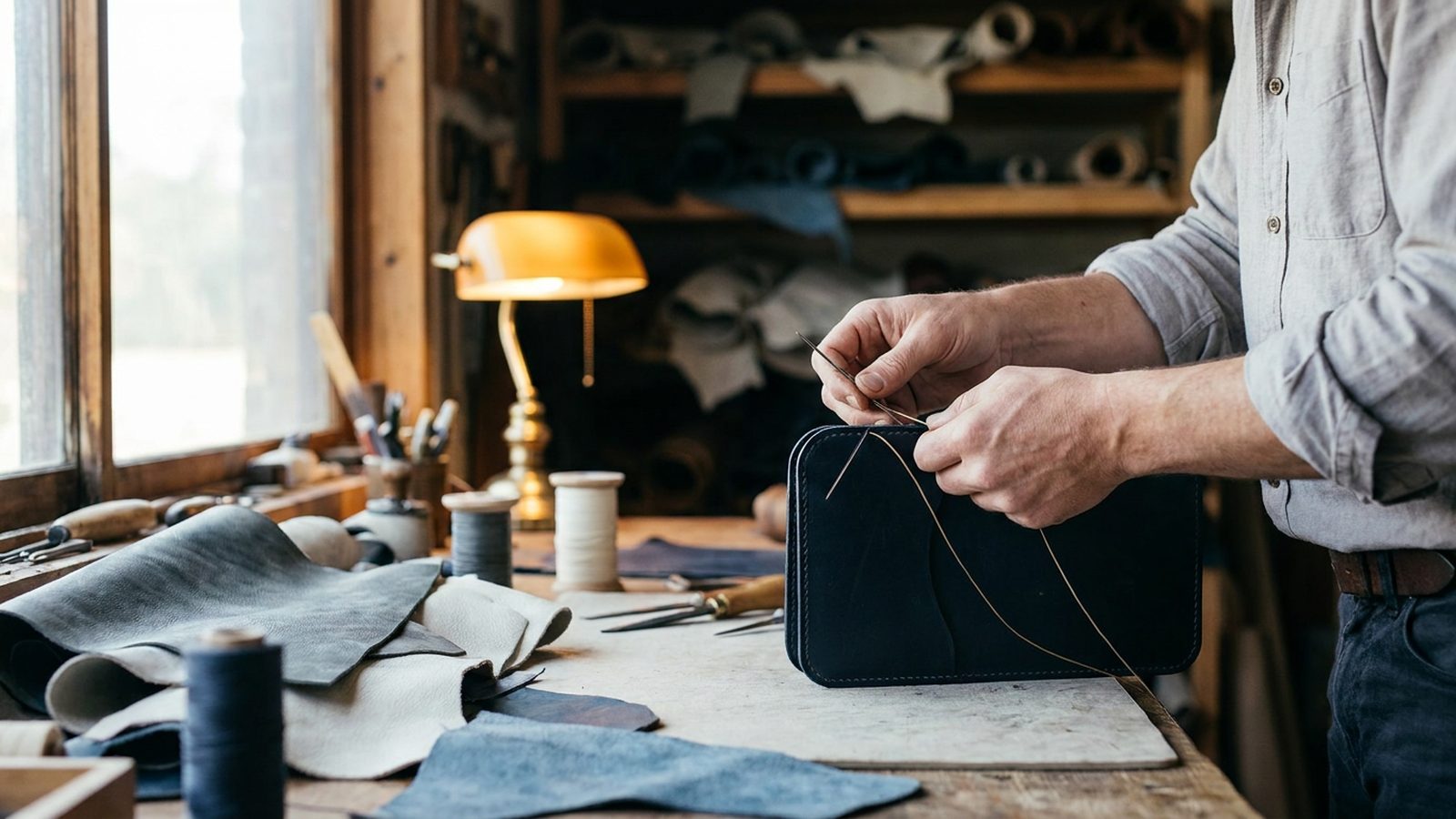
Can a product description hold both a beautiful object and a clear conscience in the same breath, without either one sounding forced? That is the whole challenge of writing for ethical luxury, and it is a lovely challenge to have.
Most brands pick a side. Either they write pure luxury copy, all silk and sensory swoon, with the ethics awkwardly bolted on at the end like a disclaimer. Or they write pure ethics copy, all traceability and impact, so earnest that the object itself gets lost. The rare and wonderful thing is copy that does both at once, where the craftsmanship and the conscience are not two separate selling points but a single reason the thing is worth having. Here is how we approach it.
Make them want it first
Start with desire, always. Ethical luxury is still luxury, and luxury is sold through wanting. Your first job is to make the reader covet the object, to feel the weight of it, the finish, the way it will feel to own and to wear. If the copy does not first make someone want the thing, no amount of virtue will rescue it. So open in the senses. The hand of the leather, the depth of the dye, the precision of the seam. Seduce, then substantiate.
Then let the ethics deepen the desire rather than interrupt it. This is the key move. Do not treat responsible sourcing as a separate paragraph that begins “and it is sustainable too.” Fold it in so the ethics become part of why the object is beautiful. The dye is rich because it is made the old, patient way by people who know it. The leather ages well because it was tanned without the shortcuts. The garment drapes like that because it was cut by someone paid to take their time. In good ethical luxury copy, the conscience is not a caveat. It is the craftsmanship.
Be specific about your ethics
Be specific, because specificity is luxury. Vague words like “sustainably sourced” and “ethically made” are the enemy of both desire and trust. They are cheap words, and cheap words undermine expensive objects. Luxury has always lived in the particular. The name of the mill. The village where the cotton grows. The number of hours in a single piece. The person, by name, who finished it. Specificity does two jobs at once. It makes the object feel rarer, and it makes the ethics feel real. Having spent time around the actual makers in these chains, I can promise you the specific detail is almost always more beautiful than the marketing abstraction anyway.
Respect the reader’s intelligence. The ethical luxury customer is discerning by definition. They can smell a hollow claim and they resent being flattered with empty virtue. So do not oversell the halo. Under-claim slightly. Let the facts carry more weight than the adjectives. A quiet, precise line about how something was made will always out-perform a breathless one, because restraint itself reads as confidence, and confidence is deeply luxurious.
Mind your tone and language
Mind the register. Luxury copy has a particular music, unhurried, assured, a little understated. Ethics copy often arrives in a different key, anxious, over-explaining, keen to prove itself. When you blend them, keep the luxury tempo. Say the ethical thing with the same calm assurance you would say anything else about a fine object. No pleading, no apology, no scramble to justify the price. Just the truth, told beautifully.
And end on the object, not the sermon. However much you love your supply chain, the reader came for the thing. So let the last note be about them and it, the pleasure of owning it, the life it will have in their hands. The ethics should leave them feeling they have chosen well, not lectured at.
End with the product itself
The best ethical luxury copy is almost invisible in its craft. You do not notice it switching between beauty and conscience because it never switches at all. It simply presents an object that is desirable precisely because of how, and by whom, it was made. Get that right and you are not asking the customer to choose between wanting and doing good. You are letting them have both, and if you would like help finding that voice, it is one of our very favourite things to write.


Need words like these?
Let us write for you
Blogs, newsletters, brand copy and more, from a Highland collective that keeps it human.