
Ethical Fashion & Beauty · A Better World · Pioneers
The Real Cost of a Cheap T-Shirt
Published 25 March 2026 · By Jen Marsden
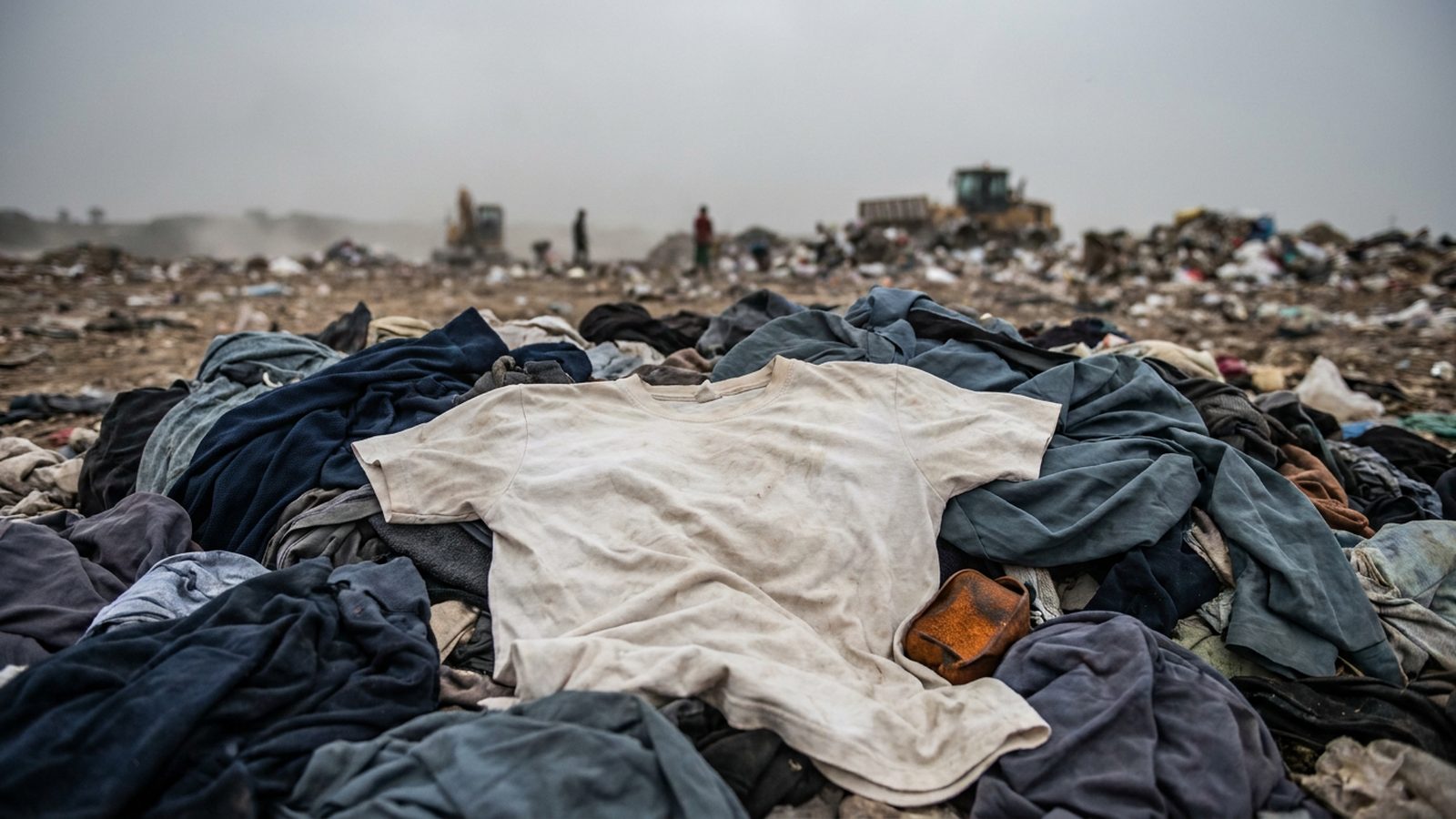
How can a T-shirt cost less than your morning coffee and still turn a profit? It is a fair question, and the answer is not comfortable. But there is a way to tell it that informs rather than scolds.
Somewhere between the cotton field and the five-pound price tag, a great deal has to give. Not by accident, but by design. A cheap T-shirt is a small miracle of cost-cutting, and every penny shaved off the shelf price was found somewhere along the way. The trouble is that “somewhere” usually means someone. So let us follow the money, gently, and see where it actually went.
The hidden costs of production
Begin with the cotton. It has to be grown, and cotton is thirsty, hungry work. Grown at rock-bottom cost, it often means intensive farming, heavy chemical use, and farmers squeezed to the thinnest possible margin. Having spent years around cotton growers, I can tell you the price paid at the farm gate is frequently the first place the savings are quietly extracted. When a shirt has to be cheap, the person who grew its raw material rarely gets to be comfortable.
Then the spinning, the dyeing, and the finishing. Dyeing fabric cheaply and fast tends to mean somewhere a river runs the colour of this season’s palette, because proper effluent treatment costs money and money is the one thing a cheap T-shirt cannot spare. The environmental cost does not vanish. It is simply paid by a community downstream who never bought the shirt and never will.
Then the sewing, which is where the true price hides in plain sight. A garment worker somewhere stitched that shirt, and the maths of a five-pound tee leaves almost nothing for their wages. Fast fashion runs on labour that is cheap, fast, and often unprotected, in workplaces where speed matters more than safety. The low price you pay at the till is subsidised by the low price they were paid at the machine. That is not a glitch in the system. That is the system working as intended.
And then, finally, you. Because a cheap T-shirt is usually cheap in quality too, thin where it should be sturdy, quick to bobble, quicker to lose its shape. So it is worn a handful of times and thrown away, joining the mountain of textiles the world discards every year. The cost of disposal, of landfill, of a planet drowning in barely-worn clothes, lands on all of us eventually. Cheap, it turns out, is rarely cheap. It is expensive in ways that simply do not appear on the receipt.
Understanding the real cost
Now, here is where we resist the obvious move. It would be easy to end with a wagging finger, to make anyone who has ever bought a cheap T-shirt feel like a villain. We are not going to do that, and we would advise any brand against it too. Most people buying cheap are not callous. They are busy, stretched, and offered cheap at every turn by an industry that has made the true cost invisible on purpose. Shame is not a strategy. It just makes people defensive and a little bit sad.
The better move is simply to make the invisible visible, calmly and without judgement, and then offer a genuine alternative. When people can actually see what a price includes, and what it quietly excludes, most of them start to choose differently, not out of guilt but out of a very human dislike of being conned. Nobody enjoys discovering that a bargain was paid for by someone they cannot see.
Promote a fairer way
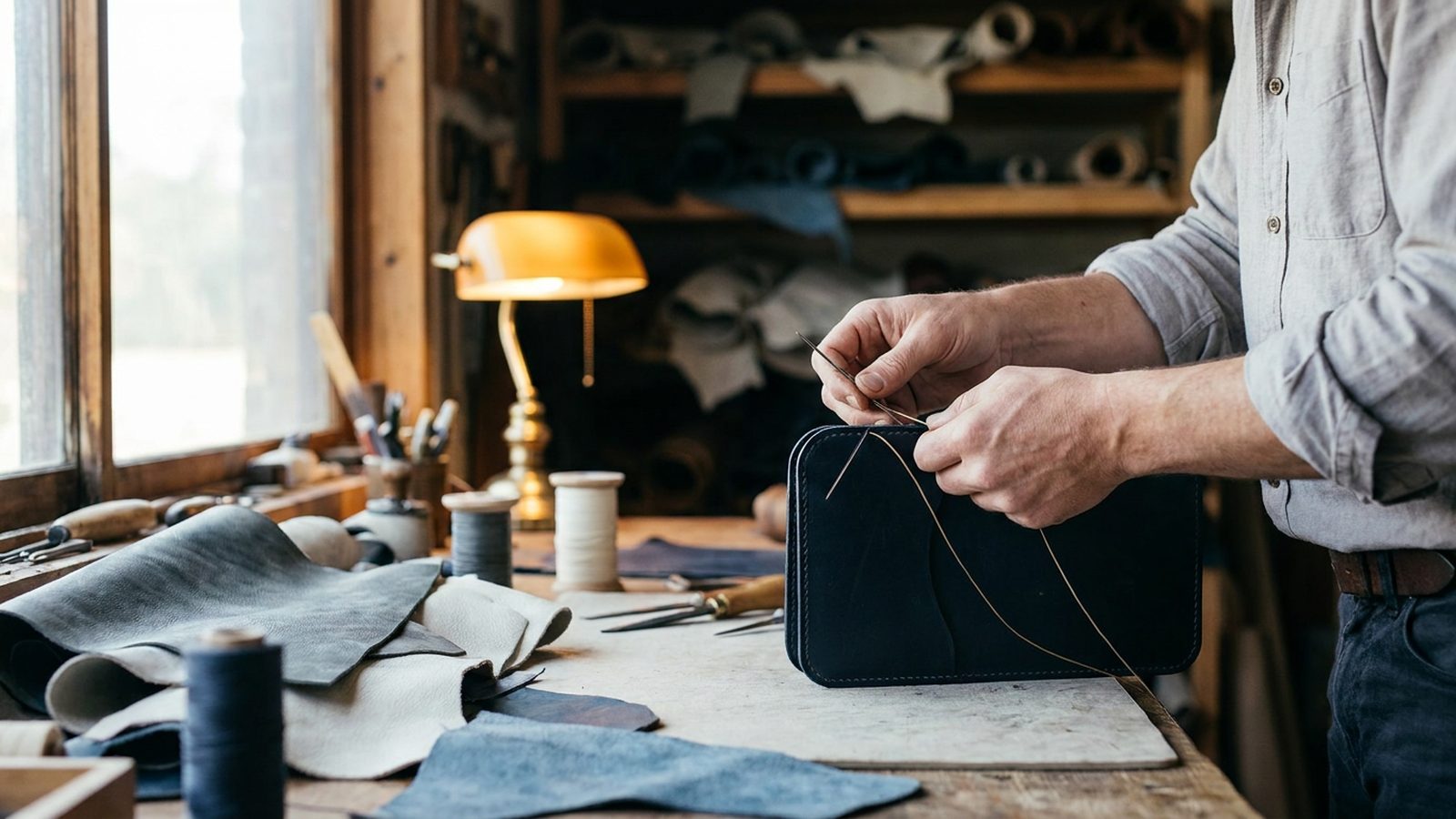
So if you are a brand doing this the harder, fairer way, do not sell it as sacrifice. Sell it as honesty. Show what your price includes, the fair wage, the cleaner process, the shirt that lasts. Let the real cost of the cheap one speak for itself by comparison. You do not need to lecture. You just need to turn the lights on and let people look.
A cheap T-shirt was never really cheap. Someone always paid the difference. Once people understand that, the fair price stops looking expensive and starts looking like the truth, and helping brands tell that truth well is rather what we are here for.
Similar articles


Need words like these?
Let us write for you
Blogs, newsletters, brand copy and more, from a Highland collective that keeps it human.