Ethical Fashion & Beauty · A Better World · Pioneers
Natural Beauty Claims: What Builds Trust and What Breaks It
Published 28 March 2026 · By Jen Marsden
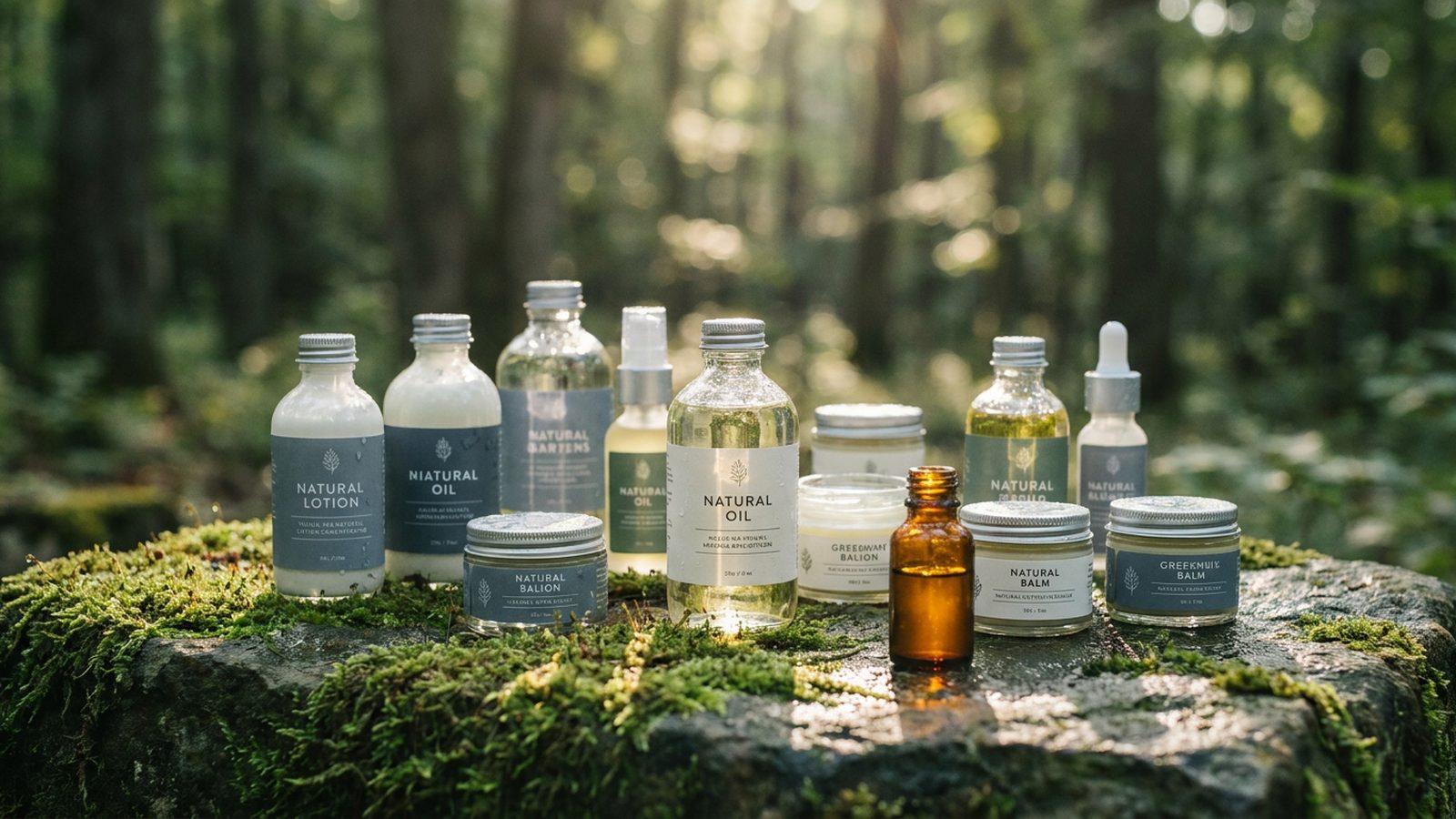
Would you buy a face cream because the label said “natural”? A lot of people would. And that, right there, is both the opportunity and the trap.
“Natural” is one of the most powerful words in beauty and one of the most slippery. It carries a warm halo of purity, safety, and wholesomeness, and it is very nearly meaningless in any regulated sense. Which puts brands in an interesting spot. The word sells, but leaning on it too hard is exactly how trust gets quietly demolished. So let us look at what shoppers actually believe when they read a natural claim, and what earns their belief versus what betrays it.
Start with what shoppers hear. When someone reads “natural,” they tend to hear a cluster of things at once, that it is better for their skin, kinder to the planet, free from anything scary, and somehow more honest than the alternative. Almost none of that is guaranteed by the word itself. Natural does not mean safe. Natural does not mean sustainable. Natural does not even mean mostly natural, since a product can contain a whisper of botanical extract and a great deal of everything else. The gap between what the word promises and what it legally delivers is enormous, and shoppers are increasingly, and rightly, suspicious of it.
That suspicion is the crucial context. The modern beauty shopper has been burned before. They have learned that “natural” on the front might mean very little on the back. So a vague natural claim no longer builds trust automatically. Increasingly, it triggers a raised eyebrow and a flip to the ingredients list. Which means the real question for a brand is not whether to say natural, but whether you can back it up when they check. Because they will check.
How to build trust
So what builds trust? Specificity, evidence, and a bit of honesty about the bits that are not natural at all.
Name the actual ingredients and what they do. “Contains 98 per cent naturally derived ingredients” tells a customer far more than “natural,” and crucially it can be verified. Better still, name the hero botanicals and explain their role rather than just sprinkling them in for decoration. Shoppers trust precision because precision is checkable, and checkable is the opposite of marketing fluff.
Be honest about the synthetics, and do not be ashamed of them. This one surprises brands, but candour here is a superpower. Plenty of synthetic ingredients are safer, more stable, and more sustainable than their natural equivalents, and some natural ingredients are irritating or come with a heavy environmental footprint. A brand that says “we use this lab-made ingredient because it works better and spares a threatened plant” sounds far more trustworthy than one pretending nature is always the answer. Honesty about the trade-offs reads as expertise, and expertise builds trust faster than any halo word.
Avoid implied claims
Watch the implied claims, not just the stated ones. Trust breaks not only on outright lies but on suggestive packaging, the leaf motifs, the earthy palette, the word “clean” doing a lot of unspoken work. If your imagery implies a purity your formula cannot back, shoppers feel the gap even if they cannot articulate it, and that vague sense of being played is exactly what erodes loyalty over time.
And define your terms where you can. If your brand has a standard for what “natural” or “clean” means to you, publish it. A brand that says “here is precisely what we mean by this word, and here is what we exclude” hands the customer something rare and valuable, a claim with edges. Vague claims float away. Defined ones can be trusted.
Respect your shoppers
The deeper principle is simple. Shoppers no longer want to be reassured. They want to be respected. A soothing natural claim treats them as someone to be comforted. A specific, honest, well-evidenced claim treats them as someone intelligent enough to handle the truth, and that respect is what turns a one-time buyer into someone who believes you.
Natural is not a dirty word. It is just a word that has to earn its keep now. Say what you mean, prove what you say, and be honest about the rest, and if you want help finding claims that are both lovely and defensible, that is exactly the kind of careful wording we relish.


Need words like these?
Let us write for you
Blogs, newsletters, brand copy and more, from a Highland collective that keeps it human.