
Travel & Place · Slow Life · Nature & Wildlife
Community Tourism: When You Share No Common Language
Published 24 December 2025 · By Jen Marsden

What do you do when you arrive somewhere eager to understand it and discover you cannot exchange a single word? I have been in that position more than once, and my first instinct was always the wrong one. Fill the silence. Point and smile and gesture and perform enthusiasm until everyone is exhausted. It took me an embarrassingly long time to learn the better response, which is simply to shut up and pay attention.
Community tourism promises encounter. You do not just visit a place, you spend time with the people who make it what it is. It is one of the most rewarding ways to travel and, when the language runs out, one of the most humbling, because the whole thing rests on a skill most of us have let go rusty. Attention.
I remember sitting in a courtyard in a village where I knew perhaps four words, none of them useful. A woman was preparing food and had, with great kindness, waved me to a stool. My instinct was to help, to talk, to be interesting. Mercifully I had no way to do any of it. So I sat. And in that enforced quiet I began to actually see. The order she did things in, handed down over who knows how many years. The way neighbours drifted in and out without knocking. Which child was cherished, which dog was tolerated, how a joke travelled round the yard even though I could not understand a word of it. I learned more in that hour of silence than in a week of the confident chatter I usually mistake for connection.
The gift of no common language
This is the quiet gift of sharing no common language. It strips away the thing we lean on too heavily and forces us back on older, truer signals. Here is what I have taken from it, offered gently, because I am still learning too.
Watch before you do anything. The rhythm of a place tells you almost everything if you let it. Where people sit, what they touch, when they fall quiet, what makes them laugh. Arrive with your observations open rather than your opinions ready, and the community will teach you how to be there.
Let them lead. Without words you cannot steer, and that is a blessing. You go where you are taken, eat what you are given, help when you are shown how. Surrendering the itinerary is not a loss. It is the entire point. You came to enter someone else’s world, not to run it.
Mind your camera. A lens raised too quickly turns a person into a spectacle. Wait. Earn it. Ask with your eyes and accept no as readily as yes. The photograph you take once trust exists is worth a hundred snatched ones, and it costs the other person nothing they did not choose to give.
Engage with your hands, not wallet
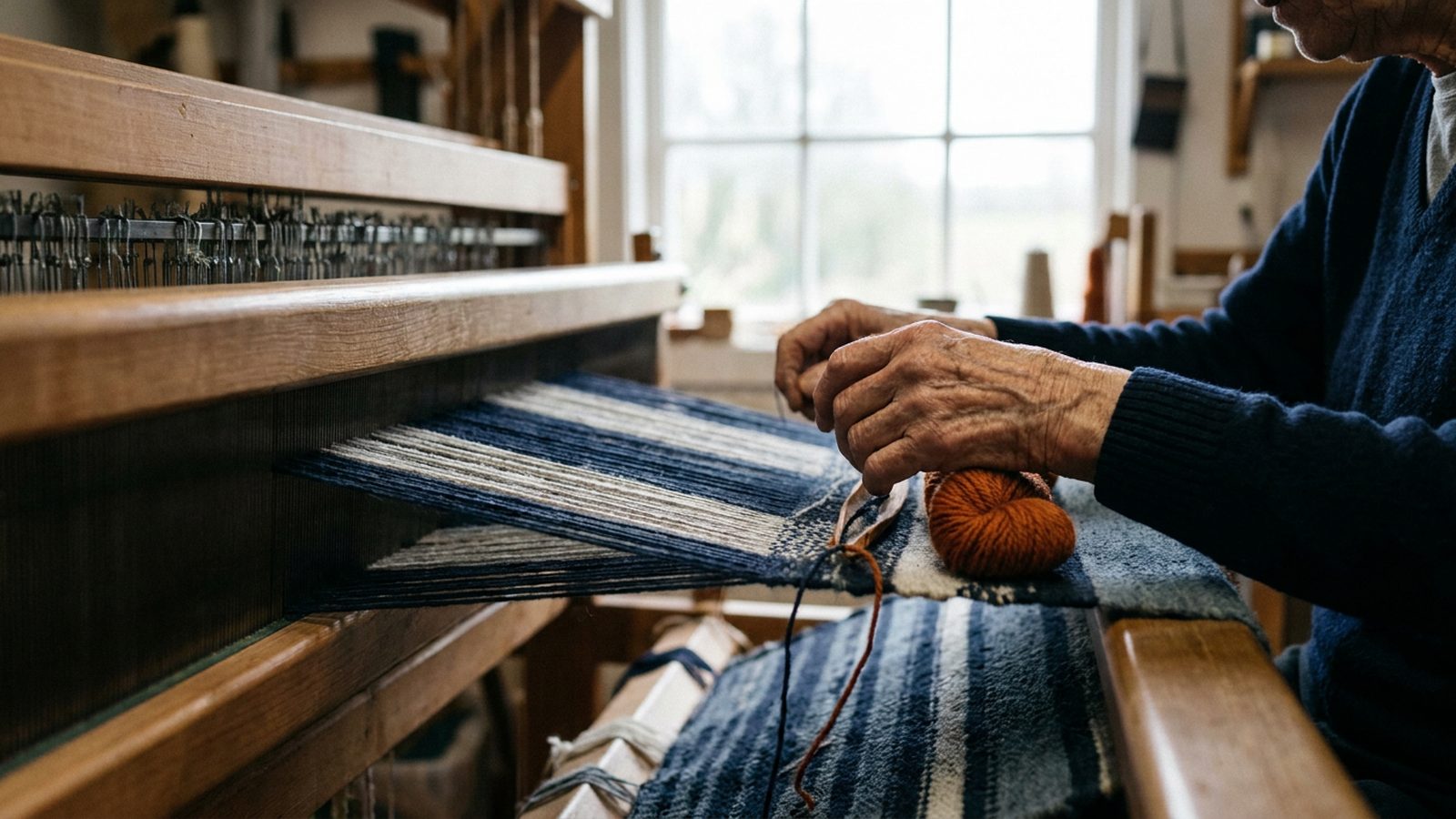
Bring your hands, not just your wallet. Money has its place, and communities deserve fair reward for their hospitality. But the moments that last come from doing, however clumsily. Kneading the dough badly. Carrying the water. Trying, being laughed at kindly, and trying again. Effort is a language everyone reads, and it says you take them seriously.
Accept that you will misunderstand. You will get things wrong. You will miss the joke, break the etiquette, offer the wrong hand. Do it with humility and most people forgive it instantly, because they can see you are trying to honour them rather than consume them.
Beyond words: telling rich stories
For those of us whose work is telling the stories of places, this matters beyond good manners. The richest material never comes from the interview, which needs a shared language and often produces only the polished version. It comes from watching, from being present long enough that people forget to perform. The truest things are shown, not said, and you can only receive them if you are quiet enough to notice.
That, I think, is the deeper lesson community tourism keeps teaching me. Understanding does not require translation nearly as often as we assume. It requires presence, patience, and the humility to be a guest rather than a narrator. Words are useful. They are not the main thing.
So next time the language fails you, resist the urge to fill the gap. Sit down. Watch. Let the place speak in the ways it already knows how. You will be astonished what you understand once you finally stop talking.
Need words like these?
Let us write for you
Blogs, newsletters, brand copy and more, from a Highland collective that keeps it human.