
Travel & Place · Slow Life · Nature & Wildlife
How to Find the Human Story in a Destination
Published 1 January 2026 · By Jen Marsden
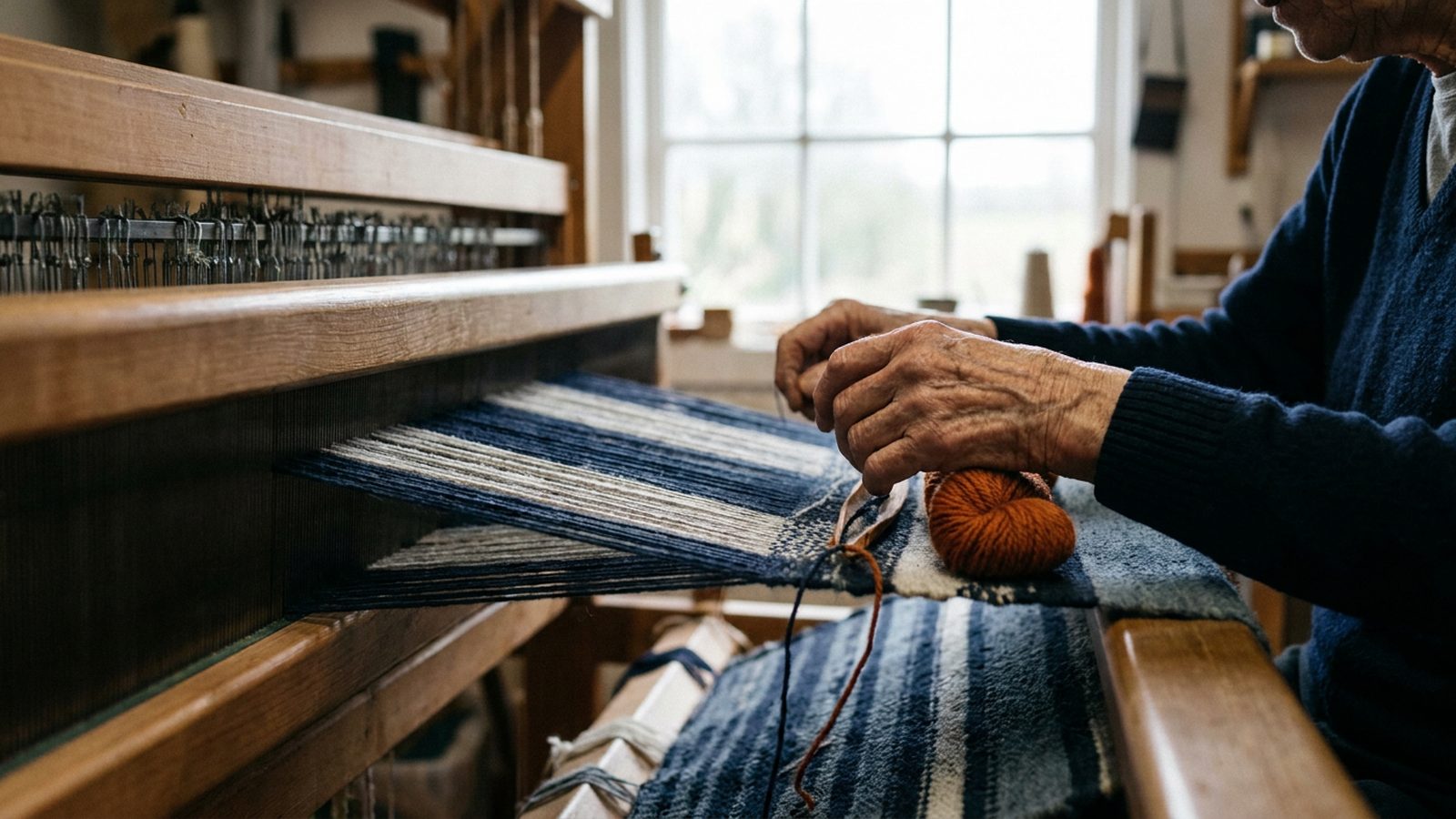
Why do we remember some places for a lifetime and forget others by the time we get home? The difference is rarely the scenery. It is almost always a person. The waiter who argued about football, the woman who ran the guesthouse, the guide who cried a little when he talked about his grandfather’s boat. We think we travel for places. We remember people.
Anyone whose job is to tell the story of a destination eventually bumps into this truth, and the good ones build their whole method around it. Scenery is the setting. People are the plot. If your content is all sweeping vistas and no faces, it will be admired and forgotten. Put a human at the centre and it will be felt, and feeling is what people act on.
So how do you actually find the human story, the one that makes a place unforgettable? Here is how we go about it.
How to find human stories
Go where the place works, not where it performs. The human stories are rarely in the show put on for visitors. They are in the ordinary machinery of a place. The market at opening, the harbour at the change of shift, the kitchen before service, the workshop where something is quietly still made by hand. Seek out the people who keep the place running rather than the ones paid to entertain you, and the real material appears.
Ask smaller questions. The temptation is to ask big ones. What is this place like? What makes it special? You will get a brochure back, because that is what big questions produce. Ask small and specific instead. How long have you done this? Who taught you? What has changed since you started? What is the hardest morning of the year? Small questions open the door to the particular, and the particular is where the humanity lives.
Then stop talking. This is the hardest part and the most important. Most of us, faced with a silence, rush to fill it. Resist. The best answer usually comes after the pause, when the person decides the silence is theirs to fill and reaches for something truer than their first reply. Your patience is the tool. Let it work.
What to look for in people
Look for what they love and what they have lost. Every human story worth telling turns on one of these, often both. What someone is proud of tells you what a place values. What someone misses tells you what it is becoming. The fisherman proud of a catch and grieving an emptier sea gives you the whole story of a coastline in a single conversation, and no statistic could do the same.
Notice the hands, the tools, the routines. People reveal themselves in what they do more than in what they say. The way a potter centres the clay, the knife a chef refuses to replace, the exact order of a task performed ten thousand times. These details do double duty. They make the writing vivid, and they make the person real, because we recognise ourselves in the care others bring to their work.
How to tell the story well
Honour them on the page. Finding the story is only half the job. Telling it well is the other half, and it carries a responsibility. Give people their own words where you can. Do not flatten them into quaint local colour, or props in someone else’s adventure. A person who trusted you with their story deserves to recognise themselves when they read it. Get that right and you have done more than good content. You have done right by someone.
There is a practical payoff too, beyond the moral one. Human stories travel. They get shared and quoted in a way no list of amenities ever does. A reader forgets the number of bedrooms in a heartbeat, then remembers the housekeeper who has folded the linen the same way for thirty years. People are the stickiest content there is, because people are what we are wired to care about.
The true meaning of a place
But hold onto the deeper reason. Putting people first is simply the honest way to tell the story of a place, because a place is its people. The buildings are only the shell. The living thing inside is human.
So the next time you set out to capture a destination, put the camera down for a moment and look for the face behind it. Find the person, ask the small question, and wait. The story you are really after is standing right in front of you, waiting to be asked.

Need words like these?
Let us write for you
Blogs, newsletters, brand copy and more, from a Highland collective that keeps it human.