
Travel & Place · Slow Life · Nature & Wildlife
Slow Travel: Why the Best Stories Need Time
Published 17 December 2025 · By Jen Marsden
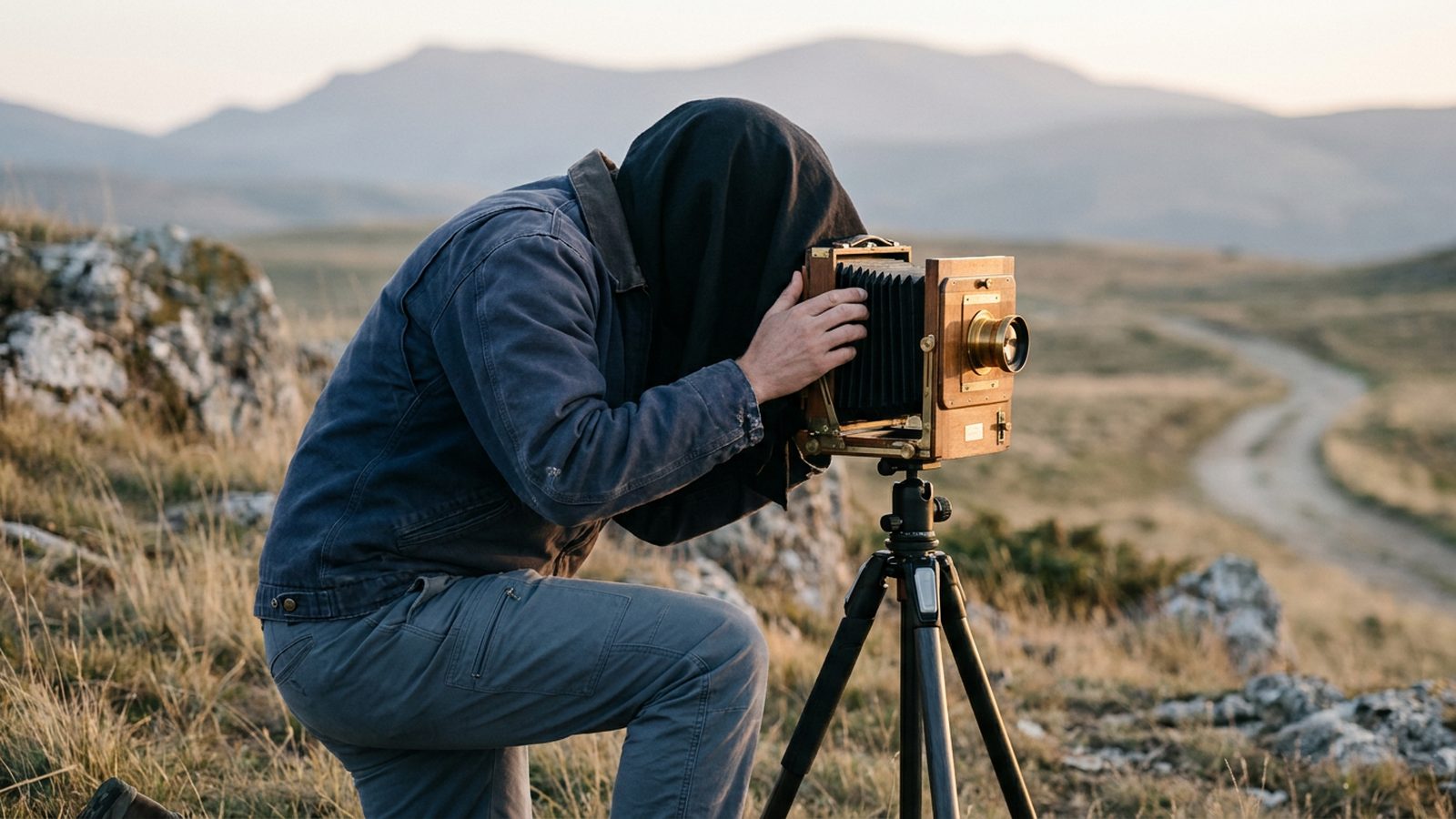
Have you ever come home from a trip and struggled to remember a single day clearly? You saw six cities, ticked off nine cathedrals, and photographed a great many things you cannot now name. The camera roll is full. The memory is oddly empty.
I think about this a lot, because it is exactly what happens to travel content when it moves too fast. Rush through a place and you collect surfaces. Stay put and you find stories. The two are not the same, and the difference matters more than any editorial trick.
The true value of slow travel
Slow travel usually gets sold as a lifestyle choice, all lingering breakfasts and unhurried afternoons. It is that, and lovely for it. But I want to make the case for slowness as a working method, the way a journalist or a photographer might use it. Staying put is not laziness. It is research.
The years I spent living in India taught me this the slow way. As a visitor you skim a place, eyes on the next sight, treating the trip as a list to be completed, and you see almost nothing. Stay long enough to stop being a visitor, though, and the place stops performing and simply carries on around you. That is when you start to see it. The neighbour who leaves water out for strangers and will take no money for it. The reason a certain corner fills up at dusk. The farmer arguing, tenderly, with his dog. None of that is on any map. All of it arrives only once you have stopped rushing.
That is the thing about a good story. It rarely announces itself. It waits to see whether you are serious, whether you will be there tomorrow, whether you are worth telling. The traveller who blows through in an afternoon gets the postcard version, the facts on the plaque. The one who stays gets the human version, which is the only kind anybody actually remembers.
How slowness enhances content
For anyone making travel content, slowness changes what you can gather.
It gives you repetition, which is where texture lives. The same café three mornings running turns a stranger behind the counter into a character with a name, a temper, and a view on the weather. You cannot manufacture that in a single visit.
It gives you the off-peak hours, when a place stops performing for visitors and simply gets on with its life. The market before the tour buses. The square after they leave. These moments feel true, and readers can always tell the difference between a scene that was witnessed and one that was staged.
It gives you access, because people open up to those who show up more than once. Trust is a function of time. Sit in the same bar long enough and someone will tell you the story that never makes the guidebook, the one about the old feud or the miracle nobody quite believes.
And it gives you the courage to leave things out. When you have only a day, you feel you must include everything, and the result is a breathless list. When you have a week, you can afford to choose. You can build a whole piece around one afternoon and one person, trusting that the small thing carries the large one inside it.
I am not romanticising inconvenience. Slow travel is a privilege of time that not everyone has, and I do not pretend otherwise. But even a modest slowness helps. An extra night. A morning with no plan. A decision to walk the long way and see what turns up. The content that comes back is warmer, stranger, and far more its own than anything gathered at speed.
The unexpected reward
The strange reward is that slowness makes the writing easier, not harder. When you have really been somewhere, the words do not have to work so hard to convince. You are no longer decorating a thin experience with adjectives. You are simply reporting what you saw, and what you saw was worth the telling.
So if you take one thing from a footsore pilgrim, let it be this. Stay a little longer than feels sensible. Miss the next thing. The story you came for is almost always the one that only shows up when you stop chasing it.
Need words like these?
Let us write for you
Blogs, newsletters, brand copy and more, from a Highland collective that keeps it human.