Ethical Fashion & Beauty · A Better World · Pioneers
What Fairtrade Really Means for Fashion in 2026
Published 14 March 2026 · By Jen Marsden
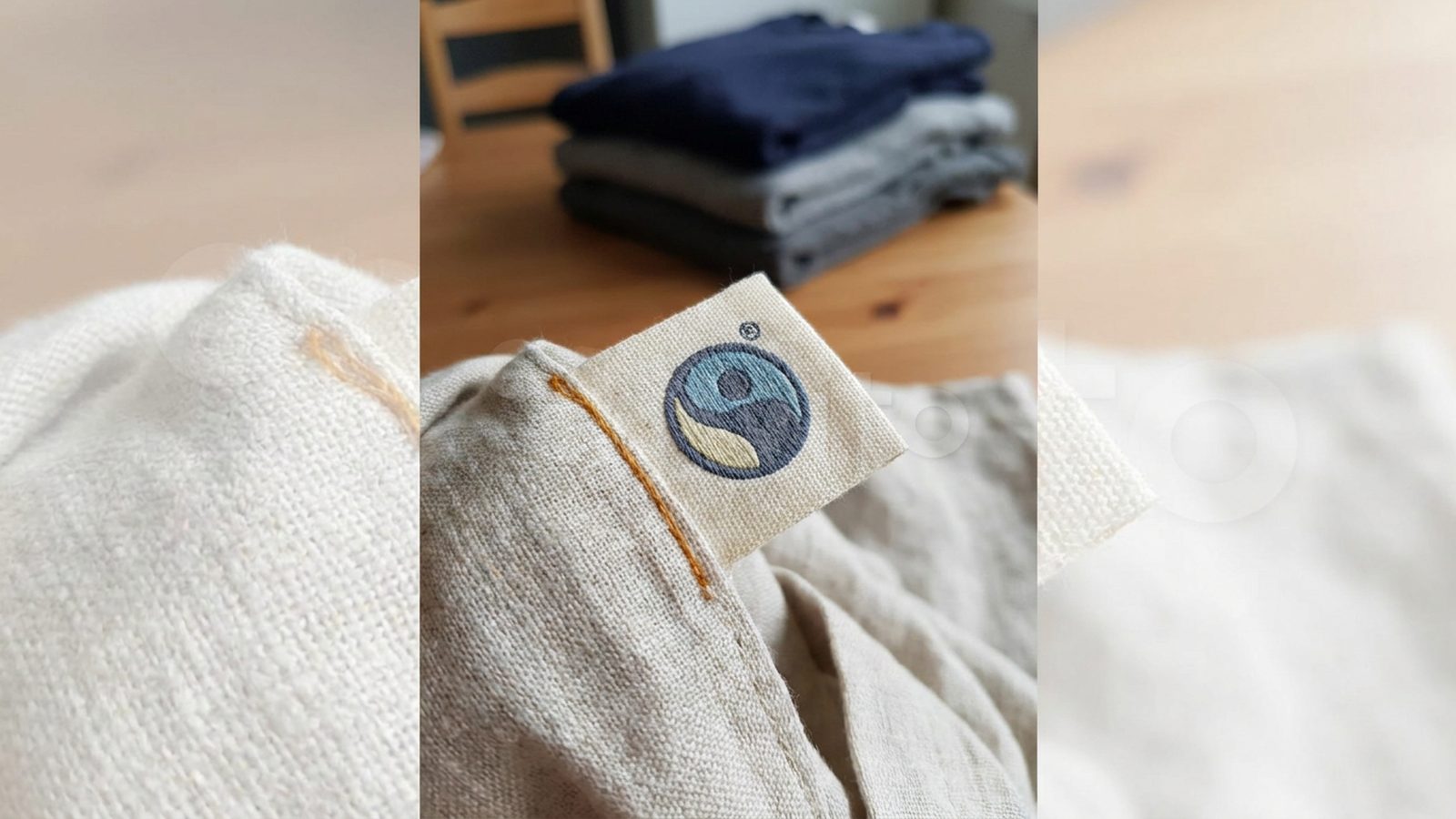
You have seen the little blue and green mark on a banana. But what does it actually mean stitched into the label of a T-shirt?
Fairtrade is one of the most recognised ethical symbols in the world, and one of the most misunderstood. For a lot of shoppers it lands as a warm, vague reassurance, a sense that someone, somewhere, was treated a bit better because of it. Which is true, and also nowhere near the full picture. So let us do the honest thing and read the label properly, because clarity serves everyone, brands and buyers alike.
What Fairtrade genuinely does
Start with what Fairtrade genuinely does, because it is real and it matters. At its heart, Fairtrade is about the people at the very beginning of the chain, the farmers and workers who are usually the most exploited and the least visible. For fashion, that most often means cotton. Certified cotton farmers are guaranteed a minimum price that acts as a safety net when the market crashes, and they receive an additional Fairtrade Premium, a sum the community collectively decides how to spend, on schools, clean water, healthcare, or reinvestment in their farms. Having spent years around cotton growers, I can tell you that a stable price and a say in how the premium is spent are not small things. They are the difference between planning for a future and merely surviving a season.
Now the part the marketing tends to skip.
Fairtrade’s fashion complexities
Fairtrade certification in fashion is more tangled than in a single ingredient like coffee or cocoa. A T-shirt is not one input. It is grown, ginned, spun, knitted, dyed, cut, and sewn, often across several countries and dozens of hands. The Fairtrade mark on cotton typically speaks to the farming end of that journey. It does not automatically certify that the person who sewed the garment in a factory was paid a living wage. Those are different links in the chain, governed by different standards, and conflating them is one of the most common honest mistakes brands make. Sometimes it is not so honest, and the vagueness is rather convenient.
There are different flavours of the claim, too, and the distinction matters in 2026 more than ever as scrutiny tightens. Some products carry Fairtrade certified cotton, where the cotton is traceably Fairtrade. Others use a mass balance approach, where Fairtrade and non-Fairtrade cotton are mixed in the supply chain but an equivalent volume is sourced on Fairtrade terms, a bit like green energy on the grid. Mass balance still delivers real benefit to farmers, which is the point, but it does not mean the specific fibres in your specific shirt are the Fairtrade ones. Neither is dishonest. But telling a customer which one they are buying, in plain words, is the mark of a brand that respects them.
How brands should communicate Fairtrade
So how should a brand talk about Fairtrade without overclaiming?
Be precise about what is certified. If it is the cotton, say the cotton. Do not let the mark imply the whole garment is Fairtrade from field to finish if it is not. Explain the premium in human terms, because that is where the story genuinely lives, the community deciding to build a classroom rather than an abstract per centage. And be candid about the boundaries. A line as simple as “Fairtrade certifies fair terms for our cotton farmers, and we are working separately on living wages in our factories” is honest, specific, and quietly impressive. It tells a customer you understand your own chain.
The limitations of Fairtrade
Is Fairtrade perfect? No label is. Critics point to certification costs, to the limits of the minimum price, to the difficulty of stitching guarantees across a global supply chain. These are fair debates, worth having openly rather than defensively. But Fairtrade remains one of the most credible, farmer-centred schemes we have, and in a market crowded with self-declared ethics, an independently audited standard is worth a great deal.
The label is not a halo. It is a promise about a particular link in a long chain, and it works best when brands describe that promise accurately. Say what it does. Say what it does not. Trust your customer to appreciate the difference, and if you would like help getting the wording exactly right, that is precisely the sort of thing we love to untangle.
Similar articles


Need words like these?
Let us write for you
Blogs, newsletters, brand copy and more, from a Highland collective that keeps it human.