Values & Leadership · Big Ideas · Madhatter Stories
Why I Walked Out of a Newsroom Over Editorial Integrity
Published 19 April 2026 · By Jen Marsden

What is a news organisation actually selling? Not paper. Not screen time. Not even the news itself, exactly. The only thing that makes any of it worth anything is trust. The moment you cannot believe what a newsroom tells you, everything else it produces is worthless. I learned this in the most direct way possible, by walking out of one.
I was working at a news network. From the outside it looked like an achievement, and in many ways it was. I believed in the work. I believed in the people. I believed, most of all, in the simple idea that editorial decisions should be made on editorial grounds, answerable to the truth and to our audience and to nothing else.
And then, over time, that line started to move.
The quiet erosion of trust
I will not turn this into a courtroom drama, because the reality was quieter and more insidious. It rarely arrives as a single dramatic order to lie. It arrives as pressure, as suggestion, as a slow accumulation of moments where commercial interests pressed against editorial independence and, bit by bit, won. A story softened here. An angle discouraged there. A sense, never quite spoken aloud but unmistakable, that certain truths were becoming inconvenient to certain people who mattered to the balance sheet.
Here is what I could not talk my way out of. For a newsroom, editorial integrity is not a feature. It is the entire product. A restaurant can serve a disappointing meal and survive. A news organisation that lets commercial interests quietly steer what it tells the public has not delivered a slightly worse version of the product. It has stopped making the product altogether. What comes afterwards may look identical, same anchors, same graphics, same authoritative tone, but the thing that gave it value is gone, and everyone downstream is being sold something counterfeit.
I could not un-know that. And once I saw it clearly, staying would have meant lending my name and my work to something I no longer believed was honest. So I left.
Walking away was not easy
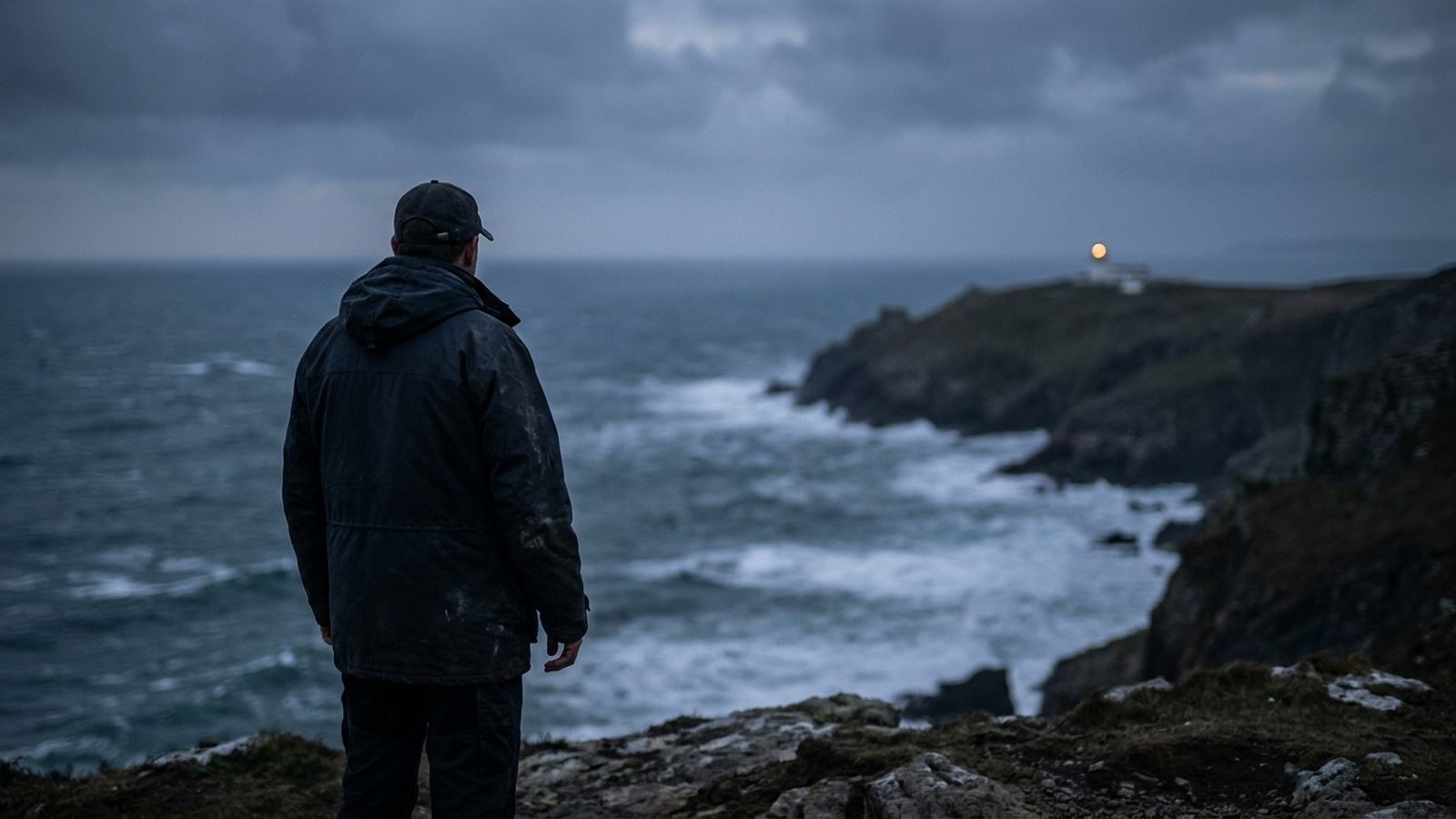
I want to be careful not to make this sound braver or cleaner than it was. Walking away from a good job on principle is frightening in ways that principle does not prepare you for. There are bills. There is the fear that you are overreacting, that you should be more pragmatic, that everyone else seems able to live with it so perhaps the problem is you. There is the quiet grief of leaving people and work you loved. Integrity, in the moment, does not feel noble. It feels like standing in the cold wondering if you have just made a terrible mistake.
But some lines, once you see them, cannot be uncrossed. I have never regretted it, not because it was easy, but because I understood what was at stake. If editorial independence can be bought, the audience is being deceived about the very nature of what they are receiving. They think they are getting journalism. They are getting something wearing its clothes.
The lesson I learned
That experience shaped everything I do now. When I work with brands on how they communicate, especially around sustainability, where the temptation to bend the truth for commercial gain is enormous, I carry that newsroom with me. I know exactly how the erosion happens. Not in one dramatic lie, but in a hundred small softenings, each defensible on its own, that together hollow the thing out. And I know the only real defence is a line you decide not to cross before the pressure ever reaches it.
The lesson I took, and the one I would offer anyone facing their own version of this, is that some products are inseparable from their integrity. For a newsroom, honesty is not part of the offer. It is the whole offer. The same is true for any brand asking people to believe what it says about its impact on the world.
So if you find yourself somewhere the line is quietly moving, pay attention to the discomfort. It is trying to tell you something. You may not have to walk out. But you do have to know where your line is, and mean it. Decide that now, while it is still just a question, and not yet a cost.

Need words like these?
Let us write for you
Blogs, newsletters, brand copy and more, from a Highland collective that keeps it human.