
Cultures & Wisdom · Big Ideas · Pioneers
Traditional Knowledge and the Future of Sustainability
Published 22 July 2026 · By Jen Marsden
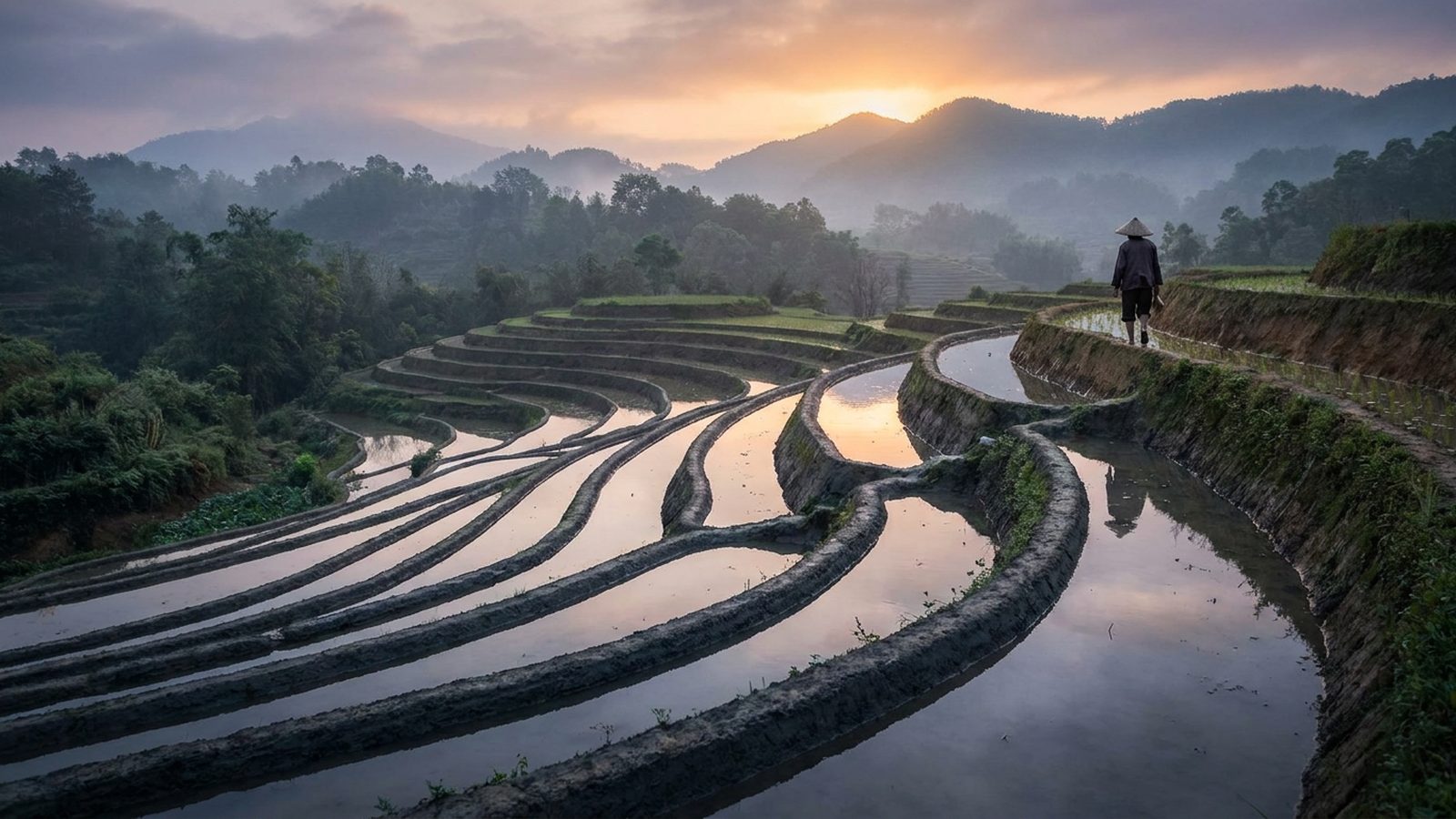
What if some of the answers we need most urgently were worked out generations ago, by people we have been too quick to overlook? We tend to imagine sustainability as a frontier, a matter of new technology and future breakthroughs. Yet a great deal of what we are now scrambling to relearn, how to live within the limits of a place without exhausting it, has been quietly practised for centuries by communities whose knowledge rarely makes the headlines.
Traditional knowledge is not folklore, and it is not nostalgia. It is a body of tested, practical understanding about how a particular place behaves, accumulated over generations of close attention and passed down because it worked. Which plants hold a hillside together. When the rains can be trusted and when they cannot. How to farm a slope for a hundred years without watching the soil wash away. This is not a rougher, older version of science. It is a different and complementary way of knowing, built through long observation of a specific place by the people who depend on it.
Why traditional knowledge is urgent
The urgency is that this knowledge is often precisely tuned to problems we are now facing everywhere. Communities that have managed water through recurring drought, that have kept soil alive without synthetic inputs, that have maintained biodiversity because their survival depended on it, hold hard-won expertise in resilience. As the climate grows less predictable, the value of knowing how to adapt within natural limits, rather than override them, is rising fast. The old knowledge is not behind us. In many ways it is ahead of where mainstream practice has managed to reach.
I want to be careful not to romanticise here, because romanticising is its own kind of disrespect. Traditional knowledge is not magic, and treating it as mystical wisdom from timeless peoples does the holders no favours. It flattens skilled, thinking, adapting communities into a picturesque idea. The truth is more interesting and more useful. These are practical systems, refined by trial and error, held by real experts who have every right to be treated as experts rather than as quaint curiosities or as raw material for someone else’s innovation story.
Acknowledging the difficult history
That last point matters enormously, because the history here is not clean. Traditional knowledge has often been extracted, patented, and profited from without credit or consent flowing back to the communities that developed it. Any honest conversation about old wisdom and the sustainable future has to hold that reality. The goal is not to mine communities for useful insights and move on. It is partnership, in which the people who hold the knowledge are recognised, consulted, and fairly rewarded, and in which they lead rather than merely supply.
There is a communication challenge sitting inside all of this, which is close to my own work. Traditional knowledge is frequently undervalued simply because it has not been packaged in the language that institutions recognise. It lives in practice, in oral transmission, in relationships with land, rather than in papers and datasets. Bridging that gap, helping this knowledge be heard on its own terms without distorting it into something it is not, is delicate and important. It means listening first, representing carefully, and resisting the urge to translate everything into the dominant framework just to make it legible.
Balancing new tech with old wisdom
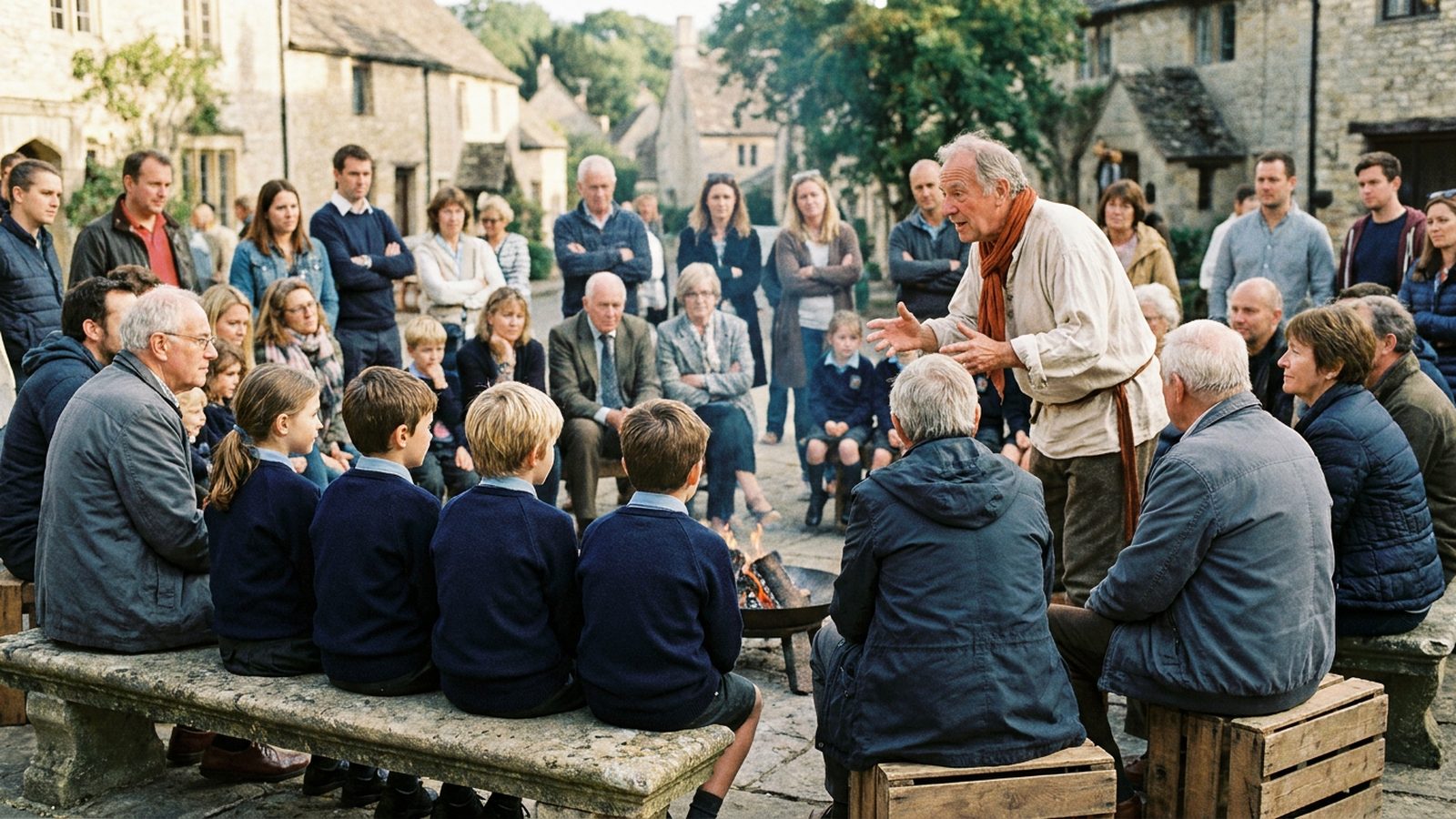
The future of sustainability, I suspect, will not be a choice between new technology and old wisdom. It will be a conversation between them, and the conversation will only be worth having if it is genuinely two-way. Modern tools can measure and scale in ways traditional practice cannot. Traditional practice carries a depth of place-based understanding that no dataset alone provides. Each has something the other lacks. The mistake is to assume the new automatically supersedes the old, when so often the old already holds the answer the new is still searching for.
So here is the gentle nudge. When you next hear sustainability spoken of purely as innovation, as a race towards something not yet invented, pause and ask who might already know. Ask whose practices have quietly kept a place healthy for centuries, and whether we are listening to them as experts or only borrowing from them as sources. The wisdom we need is not all ahead of us. Much of it is already here, held by people who have been doing this all along, and who deserve to be at the centre of the conversation rather than a footnote to it.

Need words like these?
Let us write for you
Blogs, newsletters, brand copy and more, from a Highland collective that keeps it human.