
Cultures & Wisdom · Big Ideas · Pioneers
How to Write About Cultures With Respect, Not Exoticism
Published 11 July 2026 · By Jen Marsden

What is the difference between writing that honours a culture and writing that puts it in a glass case? On the surface they can look similar. Both admire. Both linger on colour and detail. Yet one invites the reader closer to real people, and the other holds those people at arm’s length, pinned like specimens for the visitor to marvel at. The difference is not good intentions. It is specificity.
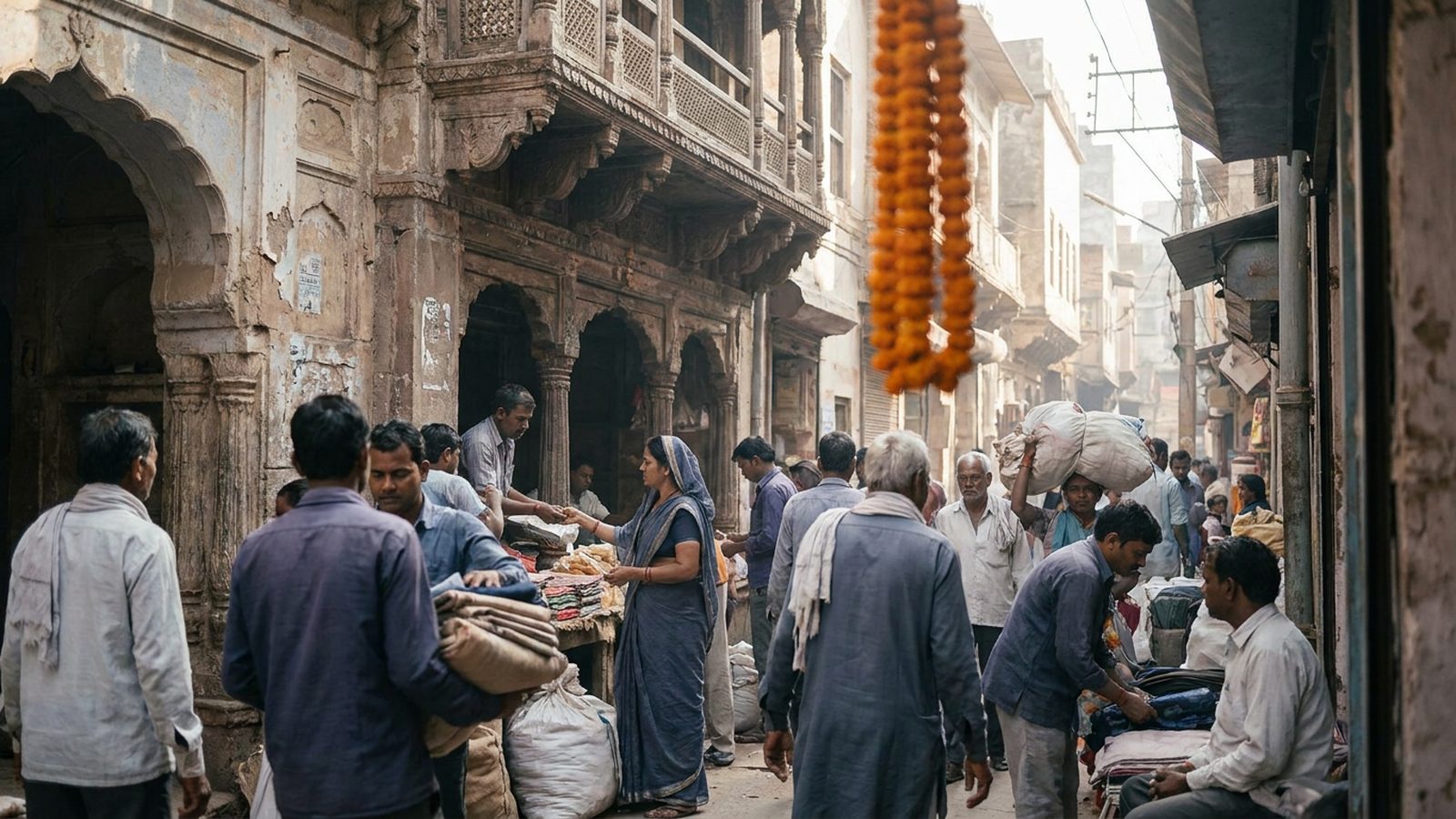
Exoticism is what happens when a culture is described for the effect it has on an outsider rather than for what it actually is. The tell is a certain vocabulary. Places become mystical. People become timeless. Streets are a riot of colour, markets an assault on the senses, spirituality hangs in the very air. None of these phrases tell you anything true. They tell you only that the writer found the place unfamiliar and reached for the nearest ready-made wonder. The subject disappears behind the observer’s amazement.
Be specific, not general
Specificity does the opposite. It resists the general marvel and goes looking for the particular fact. Not spices, but the exact blend a cook toasts in her own pan because her grandmother did. Not colourful festival, but the name of the festival, the reason it falls when it does, what people actually eat and argue about and dread and look forward to. The more precise you become, the harder it is to slip into spectacle, because real detail belongs to real people, and real people are never merely picturesque.
I learned this by getting it wrong before I got it right. It is tempting, especially early on, to write the version that makes you sound moved. But being moved is about you, and the piece is not supposed to be about you. The moment you notice your prose reaching for enchantment, it is worth asking a plain question. Am I describing this culture, or am I describing my own reaction to it? The first serves the subject. The second uses them as scenery.
The recognition test
There is a practical test I return to often. Would the people you are writing about recognise themselves in your words? And would they feel flattered in a way that faintly embarrasses them, or seen in a way that rings true? Communities can usually tell the difference instantly. They know when they are being appreciated and when they are being consumed. Writing that exoticises tends to make its subjects a backdrop for someone else’s journey of discovery. Writing that respects makes them the point.
Respectful writing also means allowing complexity. Exoticism flattens. It needs its subjects to be simpler and more harmonious than any real community ever is, because complication spoils the postcard. But every culture contains disagreement, change, contradiction, and ordinary boredom alongside its beauty. A tradition is not frozen. It is argued over, adapted, sometimes abandoned and sometimes revived. When you let that texture in, you stop presenting a culture as a finished artefact and start showing it as something alive, which is the truest respect there is.
Use precise language
Language matters at the level of the individual word. Reach for the specific name rather than the generic gesture. Learn how people refer to their own practices and use those terms, with enough context that the reader can follow. Be wary of adjectives that do the admiring for you, the vibrants and the ancients and the magicals. They flatter the writer’s sensitivity while telling the reader nothing. A concrete noun almost always carries more respect than a dreamy adjective.
And when you can, let people speak. Not as decoration, a picturesque quote to garnish your prose, but as the authority on their own lives. The writer’s job is often less to explain a culture than to create the conditions in which its own voices can be heard clearly. That shift, from narrating over people to making room for them, is where respect actually lives.
Let people speak for themselves
So the next time you sit down to write about a place or a people not your own, resist the pull towards wonder and reach instead for the particular. Name the thing. Ask what it means to the people it belongs to. Let it be complicated. Specificity is not the enemy of beauty. It is where the real beauty was hiding all along, waiting for a writer patient enough to look past the spectacle and see.


Need words like these?
Let us write for you
Blogs, newsletters, brand copy and more, from a Highland collective that keeps it human.