
Sustainability & Climate · Climate · A Better World
Hope as a Strategy: Climate Communication Without Despair
Published 15 November 2025 · By Jen Marsden
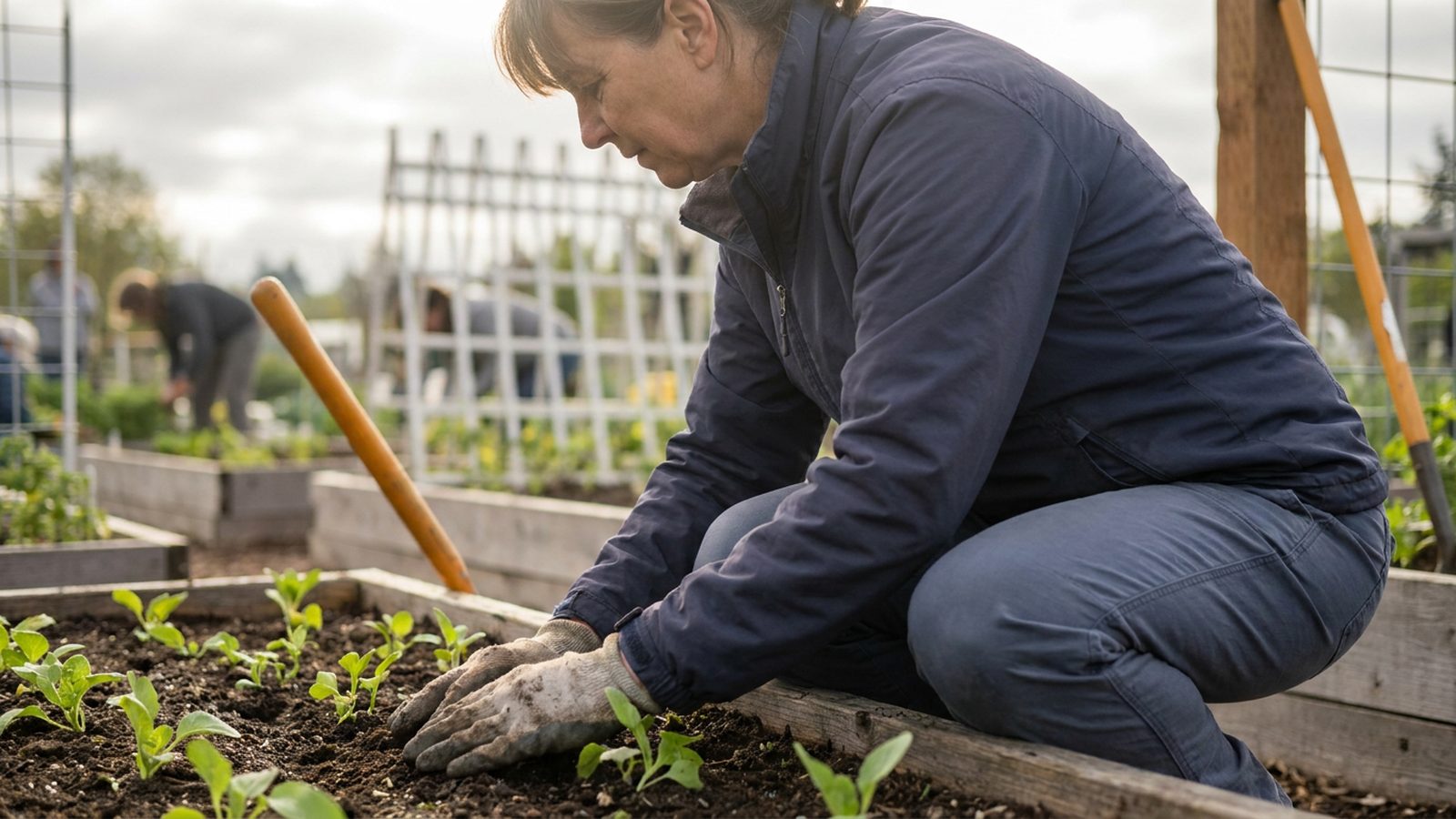
What makes you actually get up and do something? Not a graph of ice loss. Not a headline that reads like an obituary for the planet. Usually it is a person, a small win, a sense that your effort might land somewhere useful. That feeling has a name, and in climate communication it is criminally underused. It is hope.
For years the default setting for environmental messaging was fear. Show people the fires, the floods, the melting, and surely they will change. It made sense on paper. In practice it mostly made people freeze. When a problem feels too big and too far gone, the brain does a very human thing. It looks away. Doom does not move people to act. It moves them to scroll past.
We are not arguing for cheerfulness that ignores the facts. The science is serious and so are the stakes. What we are arguing for is a different emotional register, one that treats hope not as a mood but as a method. Hope is what you feel when you can see a path. Your job, if you are communicating about climate, is to draw that path clearly enough that someone can imagine walking it.
So how do you do that without sliding into greenwash or naive optimism?
How to create hopeful messaging
Start with agency. People need to believe their action counts for something. That means being specific about what to do and what it changes. “Reduce your carbon footprint” is a fog. “Switch your pension to a fund that does not bankroll new oil, and you move more carbon than a decade of recycling” is a door someone can open. Concrete beats vast every single time.
Then show the people already doing it. Humans take cues from other humans. When you tell the story of the farmer rebuilding her soil, the council that cut its emissions and its bills, the teenager who got the school to switch suppliers, you are doing something a statistic cannot. You are making the desirable behaviour feel normal, even a bit contagious. We copy what we see others doing. Give people something worth copying.
Be honest about the hard bits too. Hope that skips over difficulty is just spin, and audiences can smell it. The trick is to name the challenge and then keep going, the way a good coach does. Yes, this is hard. Here is the bit we have already worked out. Here is where you come in. That framing respects your reader’s intelligence while still leaving the door open.
Avoid quiet defeatism in language
Watch your language for quiet defeatism. So much climate copy carries a sigh in it, a sense that we are managing decline. Compare “it may already be too late to save” with “here is what we can still protect.” Same reality, completely different invitation. The first asks for mourning. The second asks for work. Only one of those gets a reply.
Celebrate progress out loud, even the partial kind. Movements run on morale, and morale runs on evidence that effort pays off. When emissions dip, when a policy passes, when a company actually does the thing it promised, say so. Not to declare victory, but to prove the machine works when we push it. People will push harder when they can feel it moving.
There is a common worry here, that hopeful messaging lets everyone off the hook and breeds complacency. In our experience the opposite is true. Complacency comes from powerlessness, from the sense that nothing you do matters, so why bother. Hope is the antidote to that, not the cause of it. A person who believes their action counts is a person who acts again tomorrow.
Hope is about sequencing not sugarcoating
None of this means sugar-coating. It means sequencing. Lead with what is possible, ground it in what is real, and always leave your reader with somewhere to put their hands. The story of climate is not finished, and the ending is genuinely still being written by people who chose to try.
If your messaging has been running on fear and you have noticed it landing flat, that is not a failure. It is a signal. Try telling the next story from the other end, the end where something can still be done, and see who comes with you. Hope, done properly, is not soft. It is the most practical strategy you have.
Similar articles



Need words like these?
Let us write for you
Blogs, newsletters, brand copy and more, from a Highland collective that keeps it human.